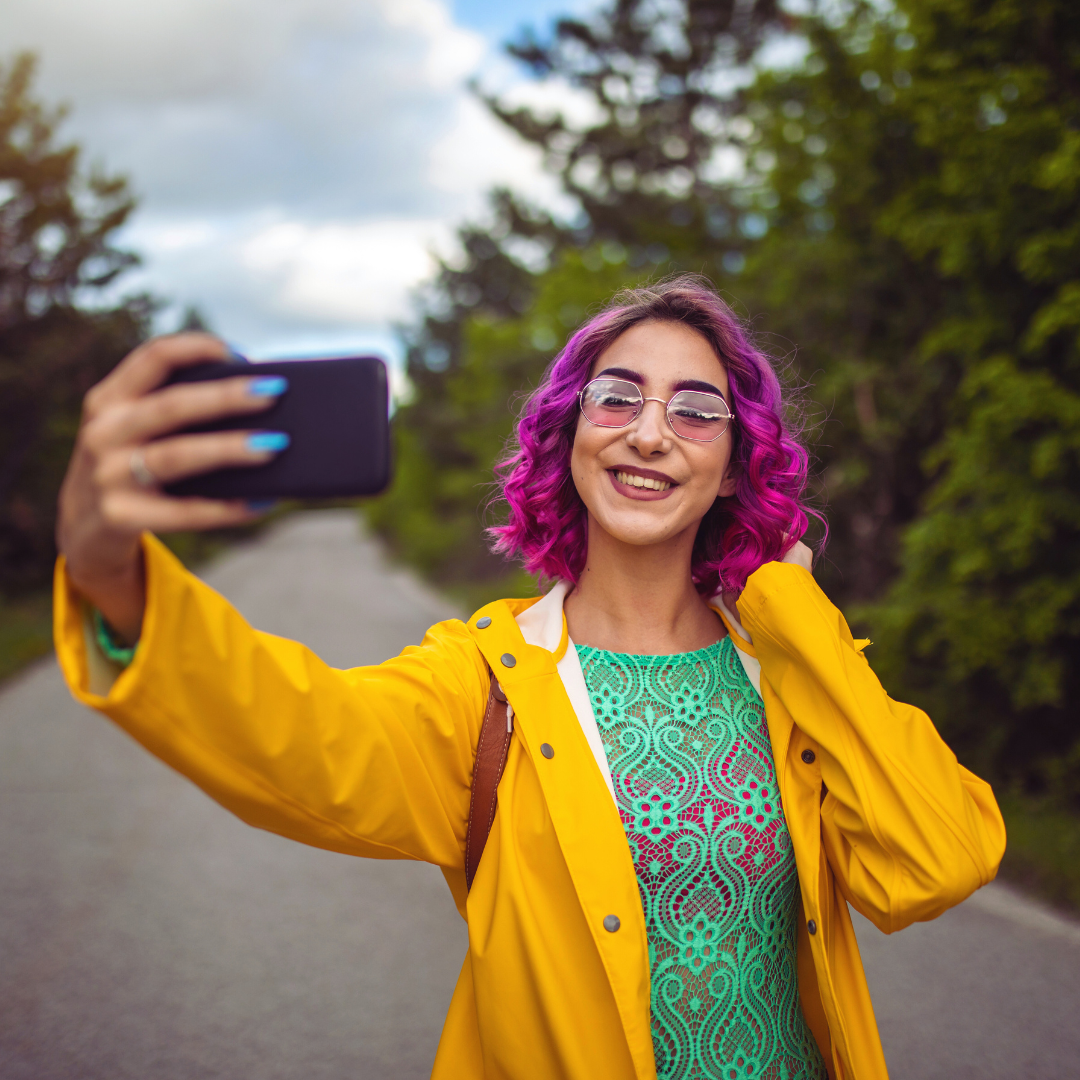
Social media has reshaped the beauty industry by changing how brands connect with consumers and how trends spread. It allows for immediate feedback, direct marketing, and a broader reach beyond traditional channels.
The most significant impact is the shift towards influencer-driven marketing and peer reviews, which have made beauty products more accessible and personalized. Consumers now rely heavily on social media for honest opinions and tutorials, influencing their purchasing decisions.
This transformation affects product development, branding, and customer engagement, making the beauty industry more dynamic and responsive to consumer needs than ever before.
The Digital Transformation of the Beauty Industry
Social media platforms have redefined how beauty brands communicate and engage with consumers. Real-time interactions and integrated shopping features have streamlined the purchasing process, making the beauty industry more accessible and responsive than ever.
The Rise of Social Media Platforms
Platforms like Instagram, TikTok, and YouTube have become central to the beauty industry. They provide a space for influencers and brands to showcase new products, tutorials, and trends directly to millions of users.
This shift has allowed smaller brands to compete with established companies by leveraging viral content and authentic engagement. User-generated content and reviews also increased transparency and trust.
Instagram’s visual focus suits makeup and skincare demos, while TikTok thrives on quick, engaging videos that often spark global trends. YouTube remains key for detailed tutorials and product reviews, helping consumers make informed decisions.
From Traditional Media to Real-Time Engagement
The beauty industry moved from magazine ads and TV commercials to real-time conversations online. Brands can now respond instantly to customer feedback and emerging trends.
Live streaming and interactive posts empower consumers to ask questions and receive immediate answers. This level of engagement fosters loyalty and creates a sense of community around brands.
Digital campaigns often involve collaborations with influencers, generating buzz faster than traditional marketing. These dynamic interactions shape product development based on direct consumer input rather than delayed market research.
Shopping Features and Seamless Purchases
Social media platforms have integrated shopping tools that allow users to buy beauty products without leaving the app. Instagram and TikTok offer shoppable tags and in-app checkout, reducing friction between discovery and purchase.
Beauty brands benefit from direct data insights, helping them tailor promotions and stock to customer preferences. These features have accelerated sales cycles and enhanced the overall consumer journey.
The ease of purchase through social commerce has increased impulse buying and allowed brands to target niche audiences with personalized ads. This integration bridges marketing and retail in a way traditional channels cannot match.
The Influence of Beauty Influencers and Communities
Beauty influencers shape consumer choices by sharing tutorials, authentic reviews, and product recommendations. They also create diverse communities that foster engagement and trust among beauty enthusiasts worldwide.
The Power and Diversity of Influencers
Beauty influencers come from a variety of backgrounds, representing different skin tones, ages, and styles. This diversity helps brands reach broader audiences who seek relatable content.
Many influencers specialize in tutorials that demonstrate product application, making complex techniques accessible. Their reach extends beyond large platforms to niche social media spaces, where smaller creators drive strong engagement.
Brands often collaborate with influencers to launch campaigns or new products, leveraging their trusted voices to gain credibility. This partnership has shifted marketing strategies from traditional advertising to peer-driven recommendations.
Building Communities of Beauty Enthusiasts
Social media platforms facilitate the formation of tight-knit beauty communities. These groups exchange tips, experiences, and advice, which supports learning and discovery.
Communities often focus on specific interests, like cruelty-free products, skincare routines, or makeup for particular skin types. This segmentation allows enthusiasts to find tailored content and feel represented.
User-generated content thrives here, increasing authenticity and fostering peer support. These interactions encourage ongoing dialogue between brands and consumers, helping improve product development and customer satisfaction.
Authentic Reviews and Product Recommendations
Beauty influencers provide detailed, hands-on product reviews, helping consumers make informed decisions. They often disclose whether content is sponsored, which builds trust and maintains transparency.
Recommendations range from high-end to drugstore brands, catering to varying budgets. Tutorials linked with reviews also help users understand product functionality in real-life conditions.
This authenticity impacts purchasing behavior more effectively than traditional ads. Consumers value opinions from people who test products publicly and share honest feedback, shaping the industry’s approach to marketing.
Trends, Standards, and Creative Shifts
Social media has transformed how beauty evolves by influencing what becomes popular, who gets seen, and how people learn new techniques. It facilitates quick sharing of ideas and creates a platform for diverse voices in the beauty community.
Driving and Democratizing Beauty Trends
Social media platforms like Instagram and TikTok enable beauty trends to spread rapidly. Influencers and everyday users alike contribute to popularizing new makeup trends, such as vibrant eyeshadow looks or intricate nail art designs. This broad participation shifts control away from traditional industry gatekeepers.
The democratization effect means smaller brands and independent creators frequently launch trends that reach millions, bypassing expensive ad campaigns. The speed at which trends emerge and fade has accelerated, forcing brands to adapt quickly to consumer preferences. Hashtags like #MakeupTrends and #NailArt help catalog and amplify these shifts in real time.
Makeup and Skincare Tutorials
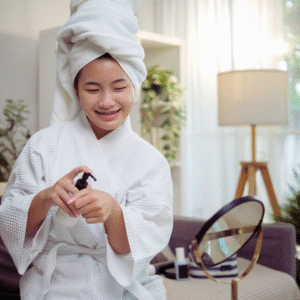
Tutorial videos are now a fundamental part of beauty routines. Creators break down complex makeup techniques into accessible steps, improving skill levels among users worldwide. Tutorials on contouring, eyeshadow blending, or skincare routines reach large audiences in minutes.
These tutorials often blend product recommendations with education, affecting consumer purchase behaviors. They also foster community by encouraging sharing and interaction. As a result, users compare methods, customize styles, and develop personal routines from a wide variety of sources beyond traditional beauty experts.
Evolving Beauty Standards and Representation
Social media challenges traditional beauty ideals by promoting inclusivity and diversity. Users showcase a broader range of skin tones, body types, and gender expressions, expanding the definition of beauty. Campaigns emphasizing natural skin, scars, or unconventional aesthetics have gained visibility.
This shift pressures brands to reconsider their product lines and marketing. Representation through influencers and everyday people challenges outdated standards and raises awareness about inclusivity in makeup and skincare. While some stereotypes persist, platforms offer a space for marginalized voices to reshape beauty norms.
Viral Beauty Hacks and Hashtag Movements
Beauty hacks shared on social media provide practical shortcuts and innovative uses of products. Popular hacks might include using eyeshadow as a highlighter or unconventional tools for nail art. Hashtags like #BeautyHacks make these tips easy to find and follow.
Hashtag movements also drive social causes in beauty. Campaigns such as #CleanBeauty or #SlowBeauty encourage ethical consumption and mindfulness. Viral trends often encourage experimentation but also spark debates about effectiveness and safety, influencing how consumers approach new ideas.