Vintage fashion is gaining significant popularity again as more people seek unique styles that stand out from mass-produced clothing. It offers a direct connection to past trends while promoting sustainability through the reuse of garments.
The main reason vintage fashion is making a comeback is its blend of individuality, quality, and eco-conscious appeal. Shoppers appreciate the craftsmanship and history behind vintage pieces, which often cannot be found in modern fast fashion.
This resurgence is also influenced by social media and cultural nostalgia, driving a new generation to explore clothing from previous decades. Vintage fashion is no longer just a niche interest but a growing movement in contemporary style.
Why Vintage Fashion Is Making a Big Comeback
Vintage fashion’s resurgence is linked to growing concerns around sustainability, emotional connections to the past, and a renewed appreciation for durable, timeless designs. These factors combine to create a strong motivation for many to choose vintage over modern, mass-produced clothing.
The Influence of Sustainability and Ethical Consumption
Sustainability has become a key driver in vintage fashion’s appeal. Many consumers reject fast fashion’s environmental impact and waste, opting instead for pre-owned clothing to reduce textile waste and carbon footprints. Vintage fashion offers a practical way to engage in sustainable fashion by reusing high-quality garments rather than supporting new, resource-intensive production.
Ethical consumption also plays a role. Shoppers are more aware of labor conditions behind fast fashion brands. Vintage items bypass these concerns since they are secondhand, lowering demand for exploitative manufacturing. This mindset shift supports vintage fashion not only as a style choice but as an eco-conscious statement.
Nostalgia and the Emotional Connection
Nostalgia fuels vintage fashion’s comeback by linking clothing to personal and cultural memories. Wearers often feel a deeper connection to pieces that carry historic significance or evoke past eras. This emotional bond adds value beyond just appearance.
Many people view vintage items as unique artifacts with stories, contrasting with the uniformity of mass-produced clothes. This sense of connection encourages slower fashion habits and more thoughtful consumption. Vintage fashion takes on a role beyond utility, offering identity and a tangible link to history.
The Appeal of Timeless Style and Quality
Timeless style is central to vintage fashion’s popularity. Many vintage garments showcase cuts, fabrics, and craftsmanship that have endured trends and decades. This long-lasting quality contrasts sharply with the brevity of fast fashion collections designed for quick turnover.
Buyers appreciate that vintage pieces often use higher-quality materials and construction. Durable designs mean these items stay wearable longer, making vintage a practical investment. The classic aesthetics also allow consumers to build versatile wardrobes that don’t rely on ever-changing trends.
Key Vintage Fashion Trends Returning Today
Vintage fashion today highlights distinctive clothing and accessories that blend past and present styles. Well-defined pieces like crop tops and oversized blazers reemerge alongside carefully chosen vintage jewelry. Designers also reinterpret classic items to fit modern wardrobes, creating a bridge between eras.
Iconic Styles: Crop Tops, Oversized Blazers, High-Waisted Denim
Crop tops from the ’90s and early 2000s have regained popularity, favored for their casual yet bold look. They pair well with high-waisted denim, another staple making a strong return, emphasizing waist definition while offering comfort.
Oversized blazers, inspired by 80s and 90s fashion, offer structure with a relaxed feel. They are often styled with both formal and casual outfits, showcasing versatility. Authentic vintage pieces or modern replicas in neutral tones remain highly sought after for layering and statement looks.
Popular Vintage Jewelry and Accessories
Vintage jewelry trends focus on bold, distinctive pieces like chunky chains, statement earrings, and layered necklaces. Popular materials include gold-tone metals and costume jewels reminiscent of past decades.
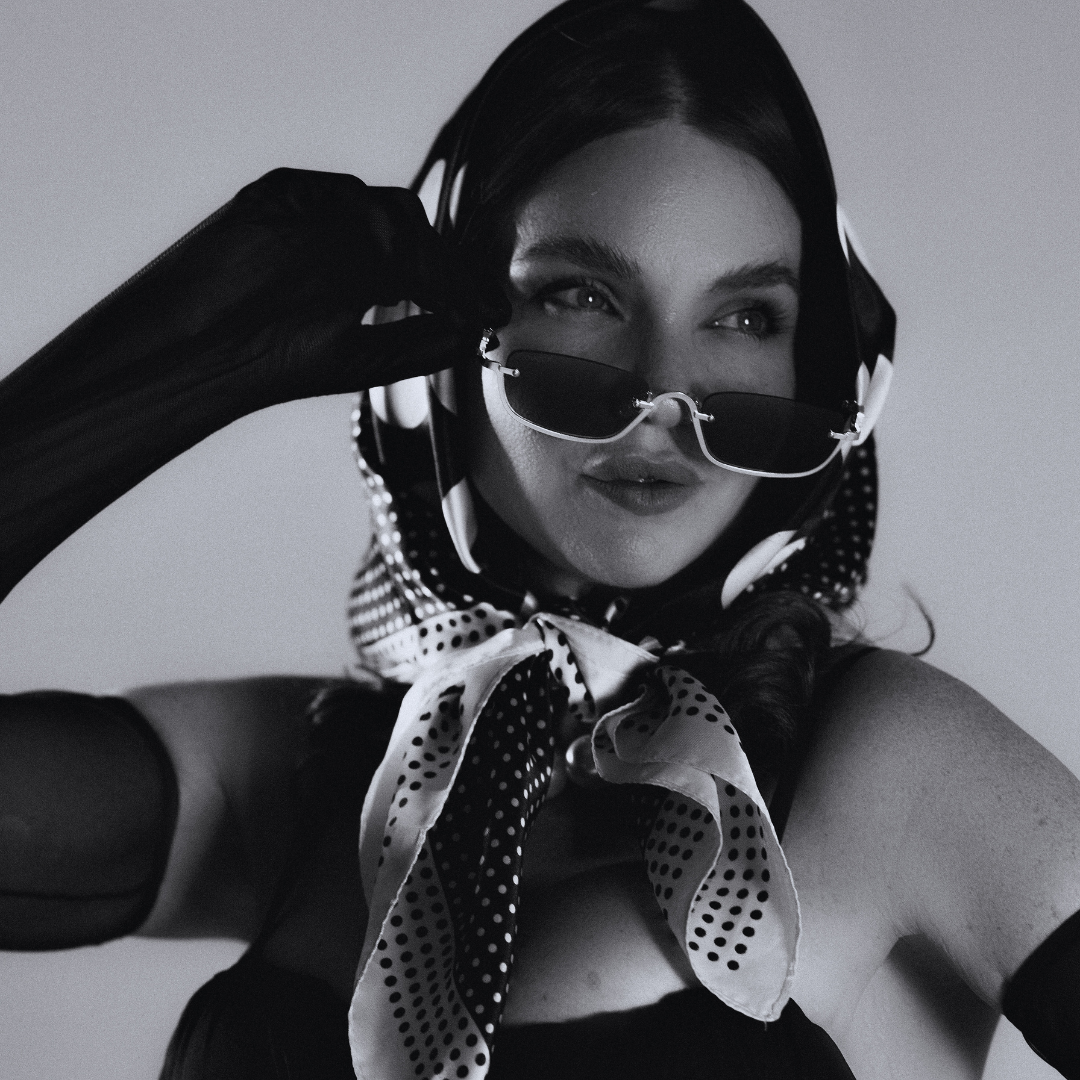
Accessories such as silk scarves, cat-eye sunglasses, and berets also reflect vintage trends. Authentic vintage handbags and belts, often featuring unique clasps and hardware, add character to outfits. These jewelry and accessory choices complement vintage clothing while standing out as individual style elements.
Reimagined Classics in Modern Fashion
Modern designers update vintage styles by altering cuts, materials, or colors for contemporary appeal. Classic trench coats, pleated skirts, and button-up shirts are reworked with modern tailoring and sustainable fabrics.
Such reimagined classics maintain the essence of vintage fashion but fit today’s aesthetics and comfort standards. This fusion allows vintage trends to stay relevant in everyday wear and high fashion, appealing to a broad audience.
How to Incorporate Vintage Into Your Personal Style
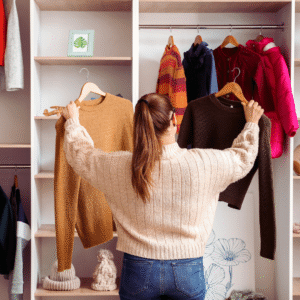
Incorporating vintage into personal style requires balance and intention. A mix of contemporary pieces with vintage clothing creates versatile looks. Building a collection from vintage finds also helps develop a wardrobe that reflects timeless style. Simple styling tips can make vintage pieces suitable for everyday wear.
Mixing Vintage With Contemporary Clothing
Pairing vintage clothing with modern basics is key. For example, a 1970s floral blouse works well with sleek, high-waisted jeans. This creates contrast without overwhelming the outfit.
Accessories like modern shoes or minimalist jewelry can update vintage garments subtly. Avoid full vintage looks, which can feel costume-like, unless intentionally styled.
Focus on one statement vintage piece per outfit. This approach keeps the look fresh and personal while honoring vintage’s unique appeal.
Building a Unique Wardrobe with Vintage Finds
Start with essential items that suit your lifestyle, such as vintage denim or classic leather jackets. These pieces offer durability and timelessness.
Explore vintage shops, thrift stores, and online platforms. Look for quality fabrics and well-maintained items. Prioritize pieces that complement your existing wardrobe and preferred silhouettes.
Organize vintage pieces alongside contemporary wear for easy mixing. Keeping a curated selection ensures your wardrobe remains functional and distinct.
Styling Tips for Everyday Looks
Keep the outfit balanced by pairing vintage tops or dresses with simple bottoms such as tailored trousers or plain skirts. Neutral or monochrome colors often work best together.
Layer vintage items with modern outerwear like trench coats or blazers to maintain a polished appearance. Rolling up sleeves or tucking in shirts adds a casual but intentional vibe.
Pay attention to fit. Tailoring vintage clothing might be necessary to achieve flattering proportions. Proper fit enhances confidence and prevents the look from appearing outdated or ill-fitting.
Where and How to Shop for Vintage Fashion
Vintage shopping requires knowing the best places to find quality pieces and understanding how to identify authenticity. Different venues offer distinct experiences and styles, from in-person browsing to curated online selections.
Thrift Stores, Flea Markets, and Vintage Markets
Thrift stores are often treasure troves for vintage enthusiasts, offering a wide range of eras and styles at low prices. Regular visits increase the chance of finding hidden gems among everyday items.
Flea markets and vintage markets gather multiple sellers, providing diverse options in one location. These venues often include rare or collectible pieces but may come at higher prices compared to thrift stores.
Shoppers should inspect items carefully for condition, alterations, and authenticity. Bringing cash and going early in the day can improve the overall vintage shopping experience.
Online Platforms: Depop and Beyond
Depop is a popular online platform where users buy and sell vintage clothes, often with detailed listings and photos. It fosters a community of sellers who specialize in specific decades or styles.
Other websites, like Etsy and eBay, also feature vintage fashion but require careful vetting of sellers to avoid replicas or poor-quality items. Filters and seller ratings help narrow down trustworthy options.
Online shopping allows access to worldwide vintage markets but lacks the tactile aspect of physical stores. Reading descriptions carefully and asking questions can reduce the risk of disappointment.
Tips for Sourcing Authentic Vintage Pieces
Authentic vintage pieces show signs of wear consistent with their age, such as natural fading or stitching styles unique to their era. Labels, fabric types, and manufacturing details help verify authenticity.
Buyers should familiarize themselves with vintage brands and fashion trends from different decades to spot reproductions. Research is crucial before making a purchase.
It’s useful to start with smaller, less expensive items to build knowledge and confidence. Careful laundering and preservation maintain the quality of vintage finds over time.