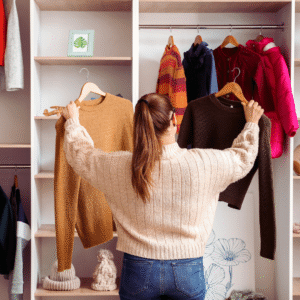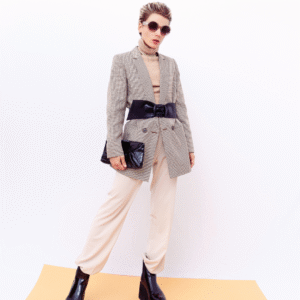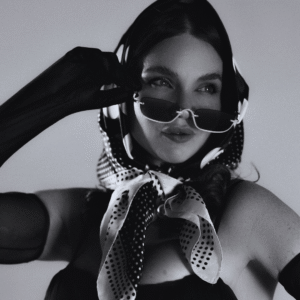

Fashion and self-care are closely linked, as the way people dress can directly influence their mental well-being and confidence. Choosing clothes that make individuals feel comfortable and authentic contributes to their overall sense of self-worth and happiness.
Beyond appearance, fashion can serve as a form of expression and a daily ritual that reinforces personal identity. When people intentionally select outfits that resonate with their mood or values, they engage in a constructive act of self-care.
This connection shows that fashion is not just about trends or style but can be a practical tool for enhancing emotional health. Understanding this relationship encourages mindful choices that support both physical presentation and inner balance.
The Connection Between Fashion and Self-Care
Fashion plays a practical role beyond appearance, often reflecting and affecting a person’s mental and emotional state. Choosing how to dress and present oneself ties directly into routines that nurture well-being and personal confidence.
How Fashion Influences Well-Being
Fashion affects well-being by influencing mood and self-perception. Wearing clothes that fit well and suit an individual’s tastes can increase feelings of comfort and control. This, in turn, helps reduce stress and improve daily focus.
Colors, textures, and styles also impact psychological states. For example, bright colors may boost energy and optimism, while soft fabrics can create a sense of calm. Being intentional about wardrobe choices supports overall emotional health.
Self-Care Through Personal Style
Personal style is a form of self-care when it aligns with individual identity and needs. People who use fashion to express themselves tend to feel more authentic and confident. This practice serves as a daily affirmation of self-worth.
Moreover, caring for clothes—through proper washing, organizing, and mindful shopping—reinforces self-discipline. This routine can become a meditative or restorative activity, contributing to mental clarity and stress relief.
Psychological Benefits of Intentional Dressing
Intentional dressing helps individuals prepare mentally for the day. Selecting outfits based on planned activities or goals fosters a sense of readiness and professionalism. This act sharpens focus and promotes positive self-esteem.
This approach encourages mindful decisions rather than reactive ones. It frames dressing as a purposeful act, which can reduce anxiety and support resilience against daily challenges. Intentional fashion choices enhance a person’s sense of agency.
Building a Therapeutic and Empowering Wardrobe
A wardrobe can influence emotional well-being and confidence. Selecting clothes mindfully involves prioritizing comfort, understanding color effects, and establishing positive daily routines.
Choosing Clothes for Comfort and Confidence
Clothes that fit well and feel comfortable contribute to self-care by reducing physical discomfort and mental distraction. Fabrics like cotton, linen, or soft knits often support all-day wear without irritation. Fit is essential—clothes should neither restrict movement nor be overly loose.
Confidence grows when individuals dress in a way that reflects their identity. Choosing styles that align with personal taste, rather than trends, reinforces self-esteem. Including favorite pieces that spark joy or memories can improve mood. Prioritizing comfort and authenticity aids in managing daily stress.
Color Psychology and Mood Enhancement
Colors impact emotions and mental states through subconscious signals. For example, blue often induces calmness, while yellow can increase energy and optimism. Red may promote assertiveness, but should be balanced to avoid agitation.
When building a wardrobe, selecting colors that align with desired moods supports emotional regulation. A mix of calming and uplifting shades can provide versatility. Using neutral tones like gray or beige offers grounding while allowing accent colors to influence mood intentionally.
Creating Rituals Around Getting Dressed
Turning dressing into a ritual enhances self-care by offering structure and mindfulness. Simple habits like setting aside clothes the night before reduce stress during busy mornings. Taking time to appreciate outfit choices fosters intentionality.
Incorporating positive affirmations while dressing can boost confidence. Treating the act as self-respect rather than an obligation helps embed it into daily routine. These practices transform dressing into a moment of empowerment and preparation for the day ahead.
Mindful Fashion Choices for Holistic Wellness
Mindful fashion integrates choices that enhance well-being while reflecting personal style. It emphasizes sustainability, alignment with health goals, and complements other self-care practices. This approach encourages intentionality in shopping, wearing, and maintaining clothes.
Practicing Sustainable and Conscious Shopping
Sustainable fashion prioritizes garments made from eco-friendly materials like organic cotton or recycled fibers. Choosing brands that ensure fair labor practices supports ethical production. Consumers should focus on quality over quantity, selecting pieces designed to last.
Care labels and production transparency help identify truly sustainable options. Repairing and upcycling clothes extends their usability, reducing waste. Conscious shopping also means avoiding impulse buys and favoring versatile items that fit multiple outfits.
Blending Fashion Trends with Wellness Goals
Incorporating comfort and function into style supports physical and mental health. Soft, breathable fabrics reduce irritation, while proper fit prevents discomfort. Trends that promote natural movement or relaxation, like loose silhouettes and stretchy materials, align with self-care.
Color choices can influence mood; calming tones such as soft blues or greens can reduce stress. Accessories that ease tension, such as weighted jewelry or ergonomic shoes, merge fashion with wellness. Mindful trend adoption balances aesthetics with the wearer’s well-being.
Integrating Fashion with Other Self-Care Routines
Fashion can complement routines like skincare and mindfulness practices. Wearing clean, well-maintained clothes can boost confidence and encourage positive habits. Selecting garments appropriate for activities like yoga or meditation enhances focus and comfort.
Organizing a capsule wardrobe simplifies daily decisions, reducing stress. Combining fashion with rituals such as aromatherapy or journaling can create a cohesive self-care environment. Together, these practices foster a holistic approach to personal well-being.