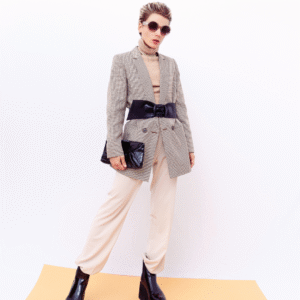
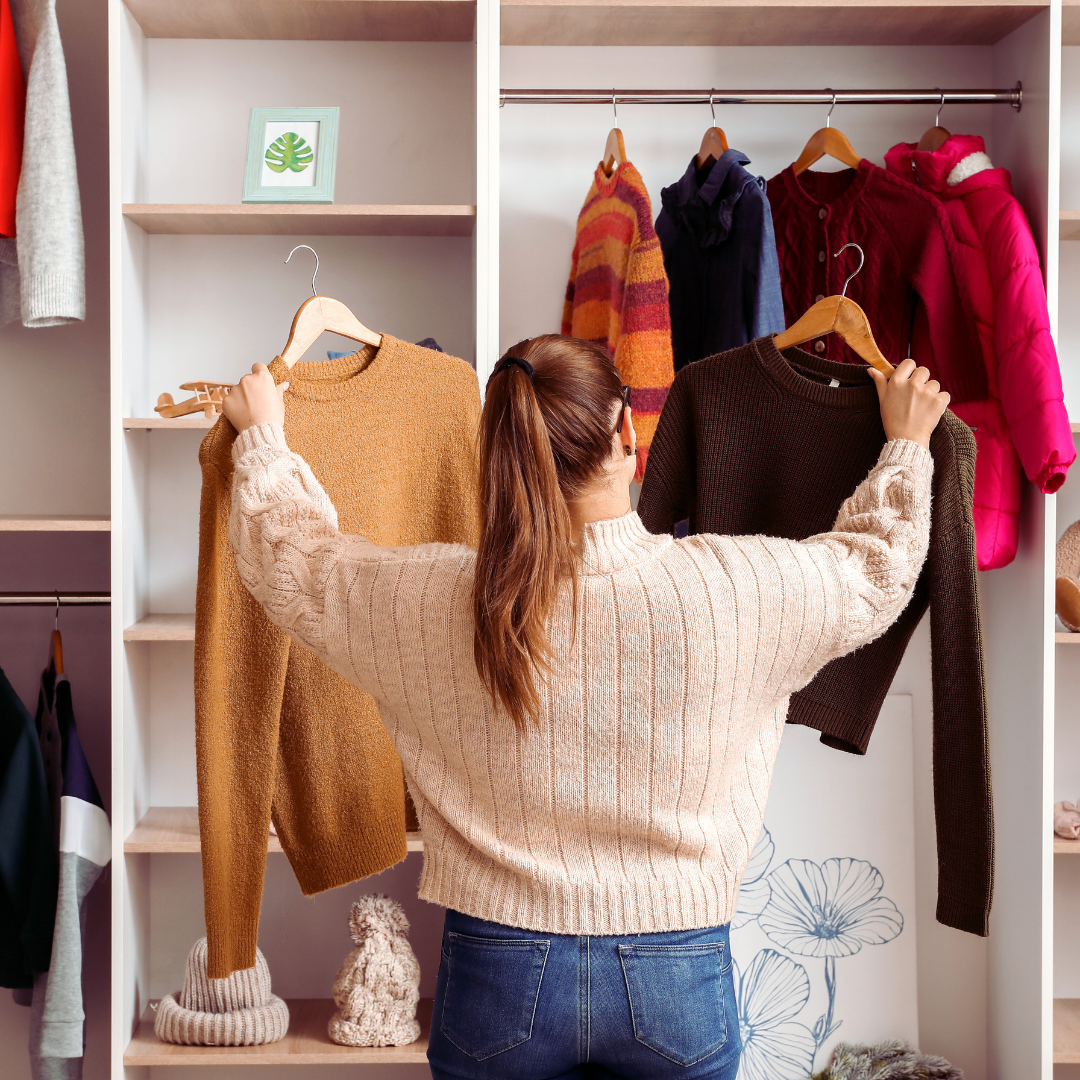
Building a capsule wardrobe means creating a small collection of versatile, timeless clothing pieces that work well together. It focuses on quality over quantity, allowing for easier outfit choices and less clutter. This approach helps people simplify their daily routine and develop a consistent style.
The process involves selecting essential items based on personal style, lifestyle, and color preferences. Each piece should be functional and complementary, making it easier to mix and match for different occasions. This method reduces decision fatigue and promotes mindful purchasing habits.
Understanding Capsule Wardrobes
A capsule wardrobe focuses on a small, carefully chosen selection of clothing designed for versatility and longevity. It emphasizes quality over quantity, combining timeless pieces that easily mix and match to suit various occasions.
Core Principles and Philosophy
A capsule wardrobe is built on minimalism and intentionality. The goal is to own fewer items that work well together, reducing decision fatigue and promoting efficient dressing.
Key principles include:
- Choosing versatile pieces that can be styled multiple ways.
- Prioritizing quality over quantity to ensure durability.
- Selecting timeless styles rather than trendy items.
- Limiting the number of items, usually from 20 to 40 pieces.
This approach encourages thoughtful consumption and helps avoid clutter. It supports a streamlined lifestyle, focusing on function and style balance.
History and Evolution
The capsule wardrobe concept was popularized in the 1970s by Susie Faux, a London boutique owner. She introduced the idea as a means to simplify dressing with a core collection of interchangeable items.
Over time, the idea evolved within the minimalist movement, gaining traction as a solution to fast fashion’s environmental impact. Modern capsule collections often incorporate sustainability, encouraging consumers to invest in durable, timeless garments.
Digital platforms and influencers further expanded their popularity, adapting the wardrobe to individual styles while maintaining the core concept of minimalism.
Benefits of a Capsule Wardrobe
A capsule wardrobe offers clear, practical, and environmental benefits. It reduces clutter by limiting the number of clothes owned, making it easier to maintain an organized closet.
It saves time spent on outfit choices through cohesive, interchangeable pieces. Financially, it encourages investing in fewer but higher-quality items that last longer.
Additionally, a minimalist wardrobe reduces waste by discouraging overconsumption. It promotes a focused style, ensuring every garment serves a purpose and fits well within a unified collection, enhancing overall wardrobe efficiency.
Defining Your Style and Wardrobe Goals
Building a focused wardrobe starts with understanding what clothing fits an individual’s tastes, routines, and ambitions. Clarity about personal style and functional needs helps determine which pieces become wardrobe essentials and minimize excess. This foundation guides smart decisions in selecting classic and versatile items.
Identifying Personal Style
Personal style reflects consistent preferences in color, fit, and fabric that resonate with an individual’s identity. It might gravitate toward classic, minimalist, sporty, or eclectic aesthetics. To identify it, one can review past favorite outfits for patterns, noting favored silhouettes and recurring colors.
A practical approach is to create a style inspiration board from magazines or online sources. This helps in seeing overlapping themes rather than chasing fleeting trends. Recognizing personal style reduces unnecessary purchases and supports building a cohesive set of wardrobe staples.
Assessing Lifestyle Needs
A capsule wardrobe must serve daily activities, work demands, and social occasions. Someone with a corporate job may prioritize tailored blazers and dress shirts. In contrast, a creative professional might need versatile casual wear with a polished edge.
Assessing lifestyle involves listing typical events and environments and noting clothing requirements for each. Consider the climate as well, to choose adaptable layers or fabrics. This step ensures the wardrobe consists of functional pieces that remain appropriate and wearable across various settings.
Setting Capsule Intentions
Clear objectives for the wardrobe help streamline the selection process and maintain focus. Intentions might include reducing clutter, achieving easy outfit coordination, or embracing sustainability through longevity.
Setting these intentions guides the choice of classic pieces that do not go out of style and versatile pieces that mix and match easily. It also supports maintaining a minimalist wardrobe by limiting items to those that serve multiple purposes and align with the individual’s everyday goals.
Building Your Capsule Wardrobe: Step-by-Step
Creating a functional wardrobe involves careful selection and organization. The process starts with evaluating current clothes, then choosing a consistent color palette, picking essential items, and focusing on wardrobe longevity through quality.
Editing and Decluttering Your Closet
Begin by sorting every item in the closet. Set aside pieces that no longer fit, are damaged, or haven’t been worn in over a year. This step helps identify what remains useful and what can be removed.
Focus on versatile items like jeans, denim, and basic t-shirts, which often form the foundation of a capsule wardrobe. Removing duplicates and outdated trends creates space and clarity.
Discard or donate excess items. Keeping only what fits your style and comfort makes future clothing choices easier and reduces clutter.
Choosing a Color Palette
Select a base of neutral colors such as black, white, gray, navy, or beige. These shades mix easily and create a cohesive look. Neutrals serve as the foundation for most pieces.
Add two to three accent colors to complement the neutrals. These can be seasonal or personalized favorites that add visual interest.
This approach simplifies outfit coordination. For example, pairing a white crew neck with denim jeans and a leather jacket stays versatile, while accent-colored flats or a patterned scarf add a stylish detail.
Selecting Essential Clothing Items
Prioritize items that can be dressed up or down. A little black dress, classic denim jeans, white sneakers, and outerwear like a leather jacket or trench coat form a strong base.
T-shirts, crew neck sweaters, and tailored trousers are practical choices. Each piece should serve multiple purposes across different settings.
Include footwear that balances comfort and style, such as simple flats and versatile sneakers. Essentials create mix-and-match options that suit a variety of occasions.
Prioritizing Quality Over Quantity
Choose high-quality pieces designed to last. Focus on fabric, construction, and fit rather than quantity. This reduces replacement frequency and maintains a polished appearance.
Investing in quality clothing means selecting durable denim, well-stitched outerwear, and fabrics that withstand washing. This also means fewer trends, more timeless items.
Quality items often cost more upfront but save money over time. A sturdy leather jacket or a well-made pair of jeans exemplify pieces that improve with wear and aging well.
Maximizing Versatility and Longevity
Building a capsule wardrobe depends on choosing items that work well together, adapt across seasons, and last over time. It’s essential to focus on pieces that maintain their style and quality, enabling frequent reuse and easy mixing.
Mixing and Matching Outfit Ideas
He should select versatile clothing items like neutral-tone tops, classic denim, and structured blazers that pair with multiple bottoms. Combining textures and layering simple pieces creates a range of outfits from the same few items. For example, a white button-down shirt pairs well with jeans, skirts, or tailored trousers.
Using timeless pieces such as a trench coat or a little black dress increases outfit variety. Accessories like scarves or belts add personality without cluttering the wardrobe. Planning five to seven foundational items that mix easily reduces dependency on trends and prevents outfit repetition fatigue.
Transitioning for Seasons
She needs to adapt the capsule wardrobe as temperatures and weather change, focusing on layering and fabric choices. Lightweight sweaters, cardigans, and versatile outerwear, like a denim jacket or wool coat, extend wearability across seasons.
A seasonal capsule wardrobe includes swap-ready items: summer dresses paired with boots and tights in fall, or short-sleeve shirts layered under sweaters during spring. Avoid overbuying by choosing pieces that transition, such as breathable knits or water-resistant layers. Keeping a balance of warm and cool-weather pieces avoids clutter and maintains dress code flexibility year-round.
Ongoing Maintenance and Updates
They should regularly review their wardrobe for wear, fit, and style relevance. Repairing items promptly and laundering according to fabric care guides prolongs garment life. Removing clothing that no longer fits or suits helps maintain coherence.
Updating the capsule with a few new timeless pieces or replacing worn basics ensures longevity. Avoiding impulse buys focused on trends keeps the collection purposeful. Maintaining a detailed inventory aids in tracking needs and prevents unnecessary purchases.