Hydration plays a fundamental role in maintaining healthy skin by supporting its natural barrier and elasticity. When the skin is properly hydrated, it appears more vibrant and smooth, reducing the chances of dryness and irritation.
Drinking enough water and using moisturizing products helps keep the skin cells plump and resilient, which is essential for a healthy complexion. Without proper hydration, skin can become flaky, dull, and more prone to developing fine lines.
Many people overlook hydration as a critical factor in skincare, focusing only on topical treatments. Understanding how hydration works internally and externally can lead to better skin health and more effective care routines.
The Essential Role of Hydration in Skin Health
Maintaining adequate hydration directly influences the skin’s ability to function well and repair itself. Proper water levels within the skin enhance its resilience, appearance, and defense mechanisms.
How Hydration Supports the Skin Barrier Function
The skin barrier, mainly the stratum corneum, relies on sufficient hydration to maintain its integrity. When hydrated, this outer layer forms a protective shield that limits water loss and blocks harmful external agents like bacteria and pollutants.
Dehydrated skin weakens the skin barrier, making it more vulnerable to irritation and infection. Proper hydration helps keep the lipid matrix intact, which is vital for the skin’s self-protective functions.
Hydrated skin improves the barrier’s ability to regulate moisture, maintaining overall skin health and preventing sensitivity linked to compromised skin barrier function.
Impact of Hydration on Elasticity, Fine Lines, and Wrinkles
Well-hydrated skin preserves elasticity by maintaining sufficient water content in the dermal layer. This hydration supports collagen and elastin fibers, which are essential for skin firmness.
Dehydration can exaggerate the appearance of fine lines and wrinkles, as dry skin appears tighter and less plump. Keeping skin hydrated smooths these features by promoting a fuller, more supple surface.
Consistent hydration slows the aging process associated with diminished skin elasticity, supporting skin texture that looks younger and more resilient.
Prevention of Dryness and Irritation
Hydration prevents dryness by maintaining moisture balance in the skin’s outermost layers. Without adequate water, the stratum corneum loses its flexibility and becomes brittle.
Dryness leads to flaking, itching, and general irritation. By keeping skin hydrated, these uncomfortable symptoms are minimized, preserving comfort and skin barrier function.
Hydration supports the skin’s natural repair mechanisms, reducing the frequency and intensity of irritation episodes caused by external stressors and dryness.
Reduction of Breakouts and Acne
Dehydrated skin can cause overproduction of oil as the body tries to compensate for a lack of moisture. This imbalance often results in clogged pores and increased breakouts.
Proper hydration helps regulate sebum production, which reduces pore blockage and acne formation. A well-moisturized skin barrier is better equipped to resist bacterial growth that triggers inflammation.
Hydration also aids in the healing process of acne lesions, reducing scar formation and promoting healthier skin over time.
Hydration vs. Moisturization: Key Differences and Connections
Hydration and moisturization serve distinct but complementary functions for skin health. Proper skin care addresses both water content inside skin cells and the prevention of water loss from the skin’s surface. These processes work together to maintain skin balance and appearance.
Understanding Skin Hydration
Skin hydration refers to the water content within the skin cells, particularly in the epidermis. When skin is properly hydrated, it appears plump, smooth, and healthy. Lack of hydration causes dryness, flakiness, and dullness.
Hydration depends largely on internal water intake and the skin’s natural ability to retain moisture. External factors like weather, humidity, and skincare routines also influence hydration levels. Hydrating products often contain humectants—ingredients like glycerin or hyaluronic acid—that attract water into the skin cells.
The Role of Moisturizers in Locking In Moisture
Moisturizers work by creating a barrier on the skin surface to prevent water loss. They typically include occlusives (e.g., petrolatum, oils) and emollients, which smooth and soften the skin.
While moisturizers do not add water directly to the skin, they lock in existing hydration, maintaining skin softness and elasticity. Using a moisturizer after applying hydrating products can maximize skin hydration by sealing in moisture.
Balancing Oil and Water for All Skin Types
Different skin types require tailored hydration and moisturization strategies. For oily or acne-prone skin, lightweight, non-comedogenic moisturizers prevent excess oil buildup while maintaining hydration.
Dry and sensitive skin benefits from richer occlusive moisturizers to prevent transepidermal water loss. Normal skin often requires balanced products to support both hydration and moisture without excess oil. Understanding this balance helps avoid skin issues like breakouts, dryness, or irritation.
Effective Strategies to Achieve and Maintain Hydrated Skin
Achieving and maintaining hydrated skin requires a combination of internal care and external protection. Proper hydration supports the skin’s barrier function and prevents dryness caused by environmental and lifestyle factors.
Optimizing Water Intake and Hydrating Foods
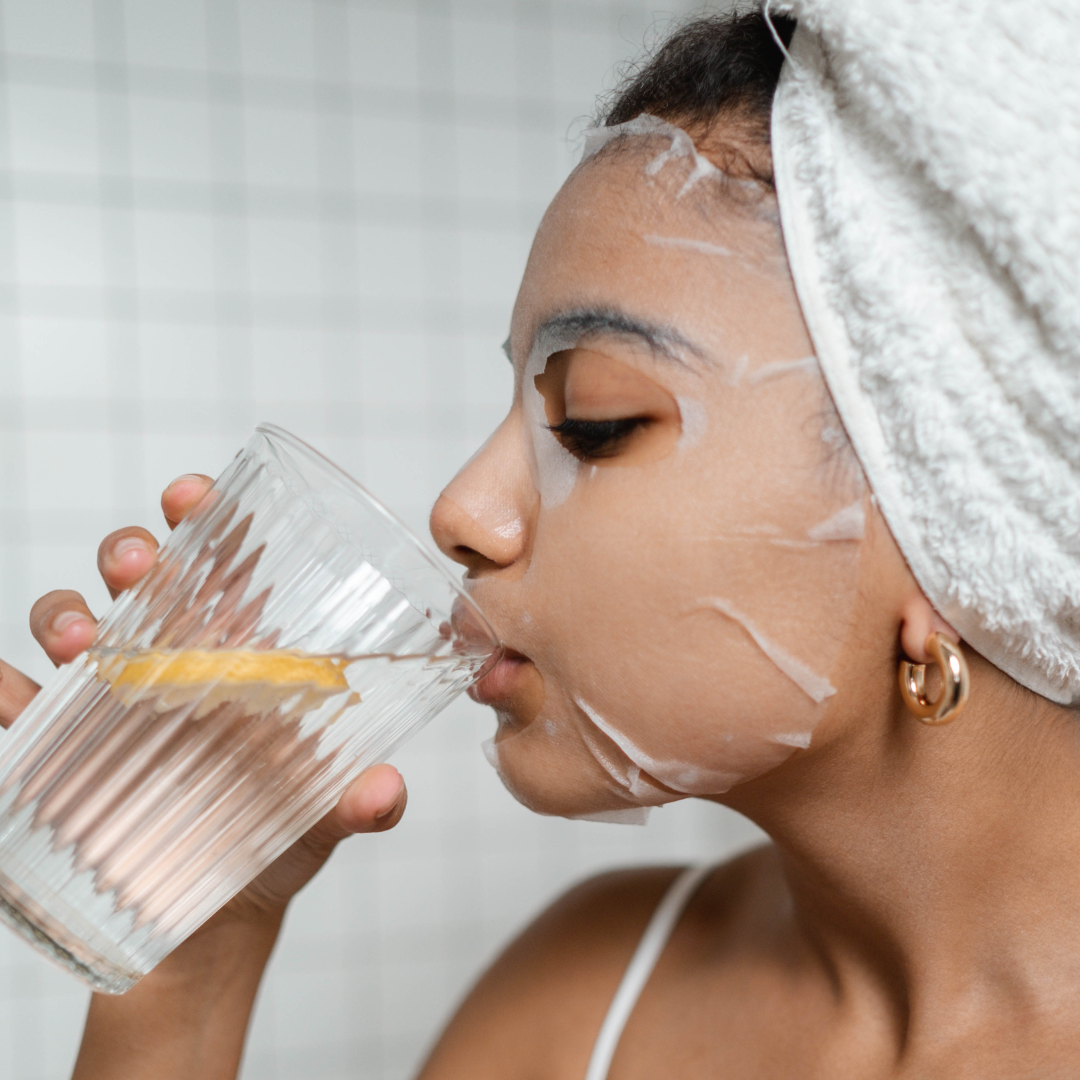
Consistent drinking of water is essential for skin hydration. Adults should aim for at least 8 glasses of water daily, adjusting for activity and climate. Water intake directly impacts the skin’s ability to maintain moisture and elasticity.
Incorporating hydrating foods like cucumbers, watermelon, and oranges helps supply additional water and antioxidants. These foods support skin health by reducing oxidative damage caused by environmental stressors. A diet rich in antioxidants synergizes with water intake to fight dryness.
Choosing the Right Hydrating Ingredients and Products
Effective skincare products often include humectants like hyaluronic acid, glycerin, and aloe vera. These ingredients attract and bind moisture to the skin, increasing hydration levels throughout the day.
Products containing ceramides help restore the skin’s barrier, preventing water loss. When selecting skincare, choosing those with a blend of humectants and barrier-repairing ingredients maximizes moisture retention.
Daily Skincare Routine for Skin Moisture
Using lukewarm water for cleansing prevents stripping natural oils that protect the skin. After cleansing, applying a moisturizer with humectants seals in moisture and maintains hydration.
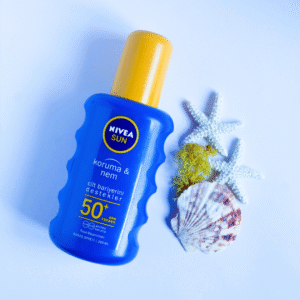
A consistent skincare routine includes cleansing, moisturizing, and applying sunscreen daily. Sunscreen protects against UV-induced damage, which can accelerate moisture loss and dry skin development.
Environmental Factors and Protective Measures
Environmental stressors like dry air, wind, and pollution significantly reduce skin hydration. Wearing protective clothing and using moisturizers with occlusive agents can reduce water loss caused by these factors.
Adjusting skincare products seasonally to richer formulas during dry months can better protect against dehydration. Minimizing exposure to harsh climates and frequent hot showers also helps maintain skin moisture.
Signs of Dehydrated Skin and How to Assess Skin Hydration
Dehydrated skin often shows specific visual and tactile signs. Knowing how to check skin elasticity and texture can help identify hydration issues early.
Visible and Sensory Indicators of Dehydration
Dehydrated skin typically appears dull and uneven. Fine lines, especially around the eyes and mouth, become more noticeable because a lack of moisture reduces skin plumpness.
The texture of dehydrated skin feels rough or tight. It may also look flaky or patchy, even though the skin isn’t necessarily dry in terms of oil content.
Common signs include redness, itchiness, or a slightly tight sensation after washing the face. These signs indicate the skin’s barrier is compromised and moisture is lacking.
Pinch Test and Self-Assessment Methods
The pinch test is a simple way to check skin elasticity, which declines with dehydration. Gently pinch the skin on the back of the hand or cheek, then release it. If the skin takes longer than usual to return to its original position, it may lack hydration.
Other self-assessment methods include observing how the skin reacts to cleansing and whether moisturizers provide lasting hydration. Hydrated skin feels supple and smooth, while dehydrated skin feels tense and rough to the touch.
Tracking these signs regularly helps determine when extra hydration is needed to maintain skin health.