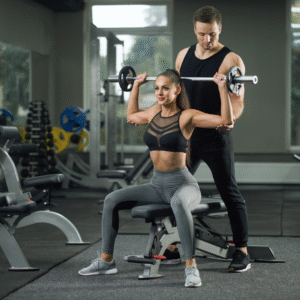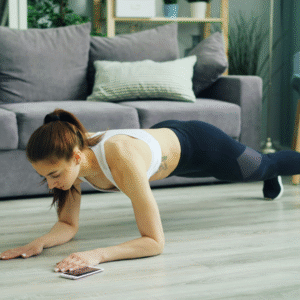
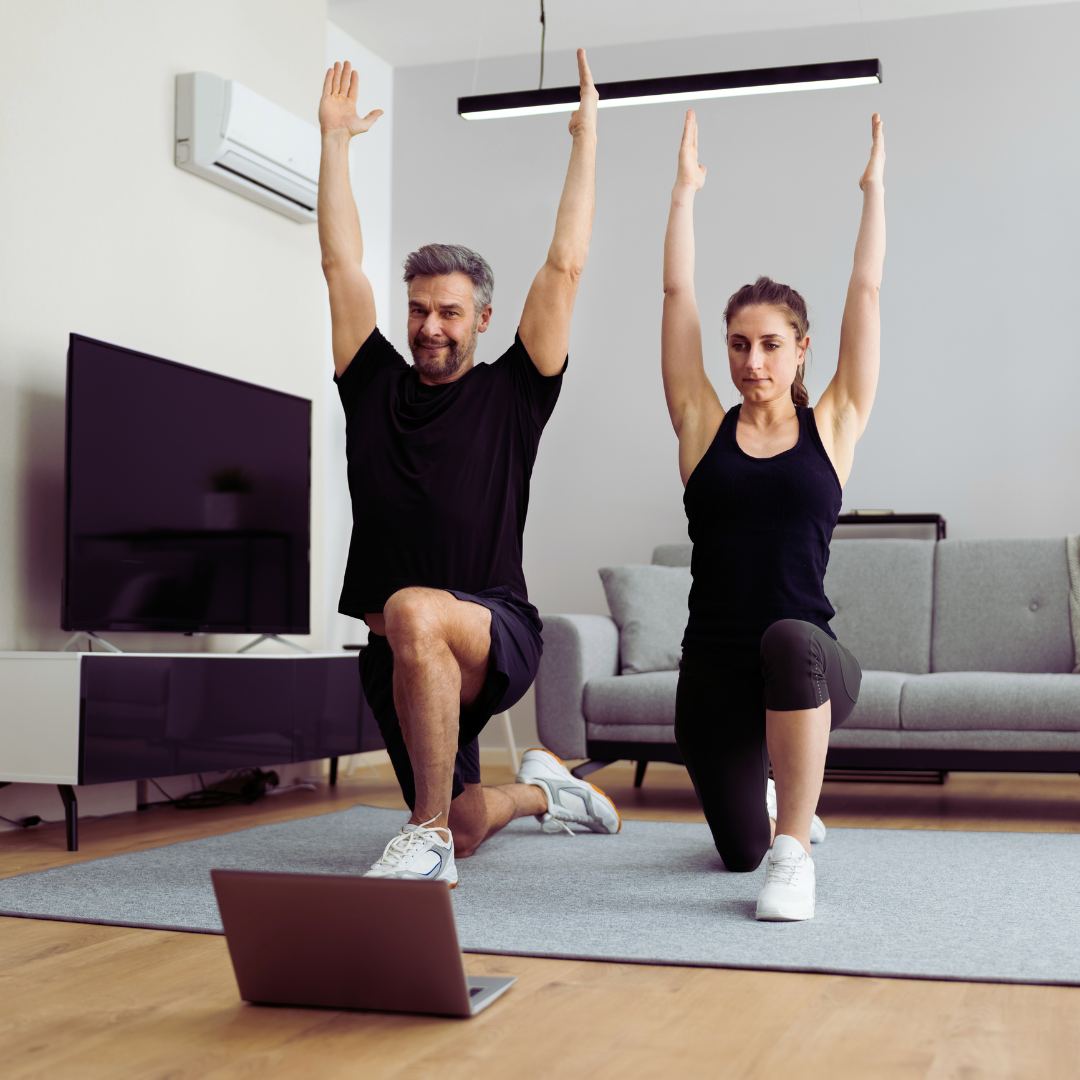
Many people struggle to find time or space for exercise, especially without access to gym equipment. However, quick home workouts without any gear can still provide effective ways to stay active.
Simple routines using bodyweight exercises like push-ups, squats, and planks can deliver strength and cardio benefits in just minutes. These workouts fit easily into daily schedules and require no special preparation.
By focusing on efficient movements, anyone can improve fitness levels at home without extra tools or costly memberships. This approach makes staying healthy practical and accessible.
Essential Quick Home Workouts Without Equipment
Quick home workouts without equipment focus on maximizing movement efficiency and avoiding setup time. These exercises target multiple muscle groups, save time, and can be arranged for continuous effort and balanced muscle engagement.
Full-Body Workout Circuit
A full-body workout circuit includes exercises that engage the legs, core, upper body, and cardiovascular system. Common moves include push-ups, squats, lunges, planks, and jumping jacks.
Perform each exercise for 30-45 seconds, followed by 15 seconds of rest. Repeat the circuit 2-4 times, depending on fitness level. This circuit improves strength, endurance, and mobility without any weights.
It is important to maintain proper form to avoid injury. The variety stimulates all major muscle groups, making it effective for quick home workouts. No equipment means it can be done anywhere, anytime.
Time-Saving Fitness Routines
Time-saving routines focus on intensity and minimal rest to maximize calorie burn and muscle activation in a limited period. High-intensity interval training (HIIT) is a popular format using bodyweight exercises.
A typical session lasts 15-20 minutes, combining short bursts of work (20-40 seconds) with brief rests (10-20 seconds). This approach fits busy schedules and maintains fitness with minimal time investment.
Exercises like mountain climbers, burpees, and alternating lunges can increase heart rate while building strength. Using a timer or app helps keep track of intervals and maintain workout pace.
How to Sequence Equipment-Free Exercises
Sequencing exercises should balance muscle groups and energy demands. Starting with compound moves like squats or push-ups activates large muscles and increases heart rate.
Follow with core exercises such as planks or bicycle crunches to stabilize and strengthen the torso. End with lower-intensity moves like calf raises or gentle stretching to promote recovery.
A well-structured sequence alternates between the upper and lower body to reduce fatigue. It also prevents overworking one area and supports consistent progress in bodyweight home workouts.
Top No-Equipment Bodyweight Exercises
These exercises target all major muscle groups using only body weight. They improve strength, endurance, and flexibility without needing gear or machines.
Push-Ups and Variations
Push-ups primarily work the chest, shoulders, and triceps. They also engage the core and lower back for stability. Basic push-ups require keeping the body straight from head to heels while lowering the chest toward the floor.
Variations include wide-grip push-ups for increased chest activation and diamond push-ups to target triceps more intensely. Incline or decline push-ups adjust difficulty by changing the body angle. These forms help either beginners or advanced users progress effectively.
Squats and Lunges
Squats strengthen the quadriceps, hamstrings, glutes, and calves. Proper form involves feet shoulder-width apart, hips back, and knees tracking over toes. Squats build lower-body strength and improve balance.
Lunges are dynamic movements targeting similar muscles, but focus more on unilateral leg strength and coordination. Forward lunges and reverse lunges both work the glutes and hamstrings while increasing hip mobility. They also engage the core for stability during movement.
Burpees and High-Intensity Moves
Burpees combine a squat, jump, and push-up for a full-body, cardio-strength workout. This exercise raises heart rate quickly and builds endurance while enhancing muscle tone. It involves squatting, kicking feet back into a plank, returning to squat, and jumping vertically.
Other high-intensity moves include mountain climbers, jumping jacks, and high knees. Mountain climbers engage core and shoulders, jumping jacks improve aerobic capacity, and high knees boost lower body power and coordination. These exercises complement strength moves with cardio benefits.
Glute Bridges and Lower Body Exercises
Glute bridges isolate the gluteal muscles and lower back. The movement starts lying on the back with knees bent, lifting hips upward by squeezing the glutes. It improves hip mobility and strengthens posterior chain muscles.
This exercise complements squats and lunges by activating the glutes more directly. Variations include single-leg bridges for increased difficulty and pulse bridges to add endurance. Glute bridges can also relieve lower back tension caused by prolonged sitting.
Core Strength and Endurance Workouts
Building core strength and endurance is essential for overall body stability and injury prevention. Effective exercises focus on stabilizing muscles, improving posture, and enhancing muscular endurance to support daily activities and physical performance.
Planks and Side Plank Techniques
Planks are a foundational core exercise that targets the entire abdominal region and lower back. Holding the plank position requires engagement of the transverse abdominis and obliques, which helps improve stability and endurance.
For variation, side planks emphasize the oblique muscles more intensely. The person should rest on one forearm, stacking feet, and hold the body in a straight line. Maintaining correct form is critical to avoid strain on the shoulder or lower back.
Start with 20-30 seconds per hold, gradually increasing time as strength improves. For added challenge, alternate lifting the top leg or arm to further engage stabilizing muscles.
V-Ups and Abdominal Exercises
V-Ups combine leg raises and a crunch to activate both upper and lower abdominal muscles simultaneously. Lying flat on the back, the individual lifts the legs and upper body together, reaching toward the toes.
This exercise improves core endurance by requiring synchronized muscle control and balance. It also enhances flexibility in the hamstrings and hip flexors.
For beginners, bending the knees slightly can reduce difficulty. Repeating 10-15 controlled repetitions with a focus on smooth movement will maximize abdominal engagement.
Tricep Dips and Upper Body Strength
Tricep dips primarily target the triceps but also involve the shoulders and chest, contributing to upper body strength necessary for overall endurance. Using a sturdy surface like a chair, the person lowers and raises their body weight by bending and straightening the elbows.
Maintaining proper alignment with shoulders down and elbows close to the body prevents discomfort and maximizes effectiveness. Completing 2-3 sets of 10-12 reps builds strength without equipment.
Integrating dips with core exercises enhances muscular endurance by engaging complementary muscle groups during workouts.
Tips for Maximizing Results With At-Home Workouts
Effective home workouts depend on consistent effort, a well-planned routine, and exercises adapted to individual fitness levels. Focusing on these areas helps build strength and endurance even without traditional equipment.
Maintaining Consistency
Maintaining a regular schedule is crucial. Setting specific workout times each day creates a habit that promotes steady progress. Shorter sessions, like 20 to 30 minutes, can fit easily into daily life and reduce the risk of burnout.
Tracking progress also reinforces consistency. Using a journal or app to record exercises, sets, and reps helps evaluate improvements. Frequent small wins encourage continued effort, reinforcing the fitness routine’s importance.
Staying motivated can be enhanced by varying workouts weekly. Rotate exercises to target different muscle groups and prevent plateaus. Even without equipment, variety maintains engagement and supports balanced strength and endurance development.
Structuring Effective Workout Plans
An effective home workout plan balances strength and endurance training. It should include compound movements such as push-ups, squats, and lunges that engage multiple muscle groups. These moves increase efficiency and stimulate muscle growth without needing weights.
A simple structure might alternate strength-focused days with endurance or cardio days, supporting recovery and preventing overuse injuries. For example, 3 days of strength workouts paired with 2 days of cardio or active stretching improves overall fitness.
Including rest days is critical. Short breaks give muscles time to recover and reduce injury risk. Scheduling rest every 2 to 3 days allows for consistent workouts without sacrificing safety or effectiveness.
Adapting Routines for All Fitness Levels
Home workouts can be customized easily. Beginners should start with modified exercises, like knee push-ups or wall sits, to build foundational strength safely. They should focus on mastering form before increasing intensity.
Intermediate and advanced exercisers can add repetitions, sets, or decrease rest times for more challenge. Incorporating variations—such as one-legged squats or plyometric jumps—enhances strength and endurance progressively.
Including scales of intensity ensures workouts remain accessible. This way, anyone can adapt movements based on current ability and gradually increase difficulty, supporting long-term adherence to the fitness routine at home.