
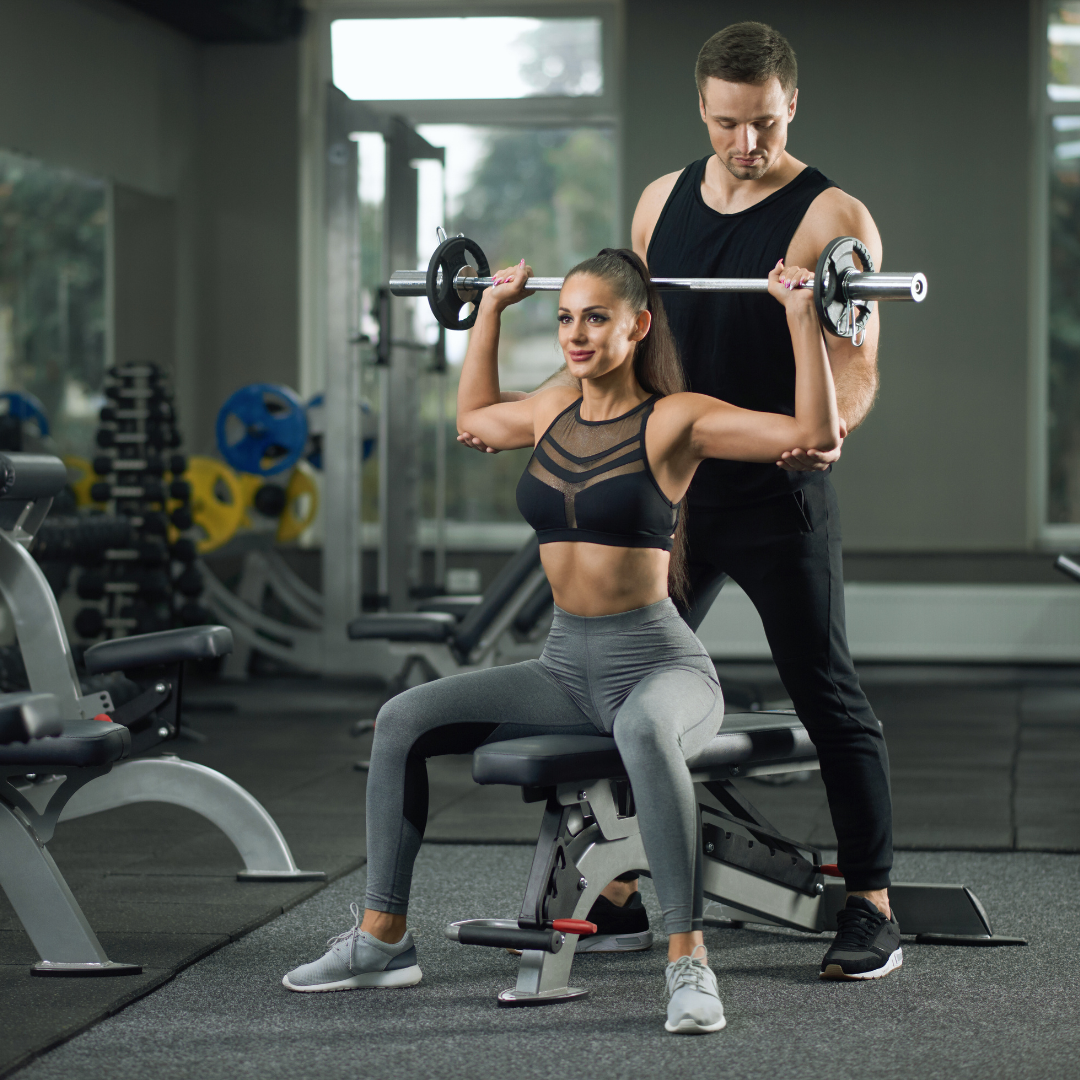
Choosing between a home gym and a gym membership depends on personal preferences, budget, and lifestyle. A home gym offers convenience and long-term savings, while a gym membership provides access to a wide range of equipment and professional support.
Some people prefer working out in the privacy of their home, avoiding travel and crowded spaces. Others value the motivation and variety that a commercial gym can offer through classes and trainers.
Both options have clear advantages and drawbacks, making it important to weigh what suits individual goals best before committing.
Home Gyms Versus Gym Memberships: Core Differences
The choice between a home gym and a gym membership involves key factors like cost, convenience, equipment variety, and social interaction. Each option suits different fitness goals and lifestyles.
Overview of Home Gyms
A home gym setup usually involves purchasing equipment such as weights, a treadmill, or resistance bands. Initial costs can be high, but become economical over time with no monthly fees.
Home gyms offer flexibility, allowing users to work out anytime without travel. However, space constraints may limit equipment types and variety. Motivation can depend on personal discipline, as there is no structured class environment or trainers available on-site.
Overview of Gym Memberships
Gym memberships provide access to a variety of professional-grade equipment and facilities like pools or courts. Membership fees vary and often include extras such as classes, personal trainers, and spa facilities.
Gyms encourage social engagement and community support, which can boost motivation. However, users must travel and adhere to opening hours. Gym memberships suit those who prefer guidance and diverse workout options.
Key Distinctions
| Factor | Home Gym | Gym Membership |
| Cost | High initial setup; no monthly fees | Recurring monthly or annual fees |
| Convenience | 24/7 access, no travel needed | Limited to gym hours and location |
| Equipment Variety | Limited by space and budget | Wide range, regularly updated |
| Motivation | Self-driven, with less social support | Group classes, trainer access |
| Flexibility | Customisable workout environment | Structured programmes available |
Cost Comparison and Value
Choosing between a home gym and a gym membership depends heavily on how much one plans to invest initially, the ongoing costs involved, and the overall value derived over time. Understanding these expenses helps clarify which option fits a person’s financial situation and workout needs best.
Upfront Investment Versus Ongoing Fees
Building a home gym requires a significant upfront cost. The price depends on the type and amount of equipment purchased, often ranging from a few hundred to several thousand pounds. Essential items like weights, a bench, or a treadmill can add up quickly.
Gym memberships typically involve smaller initial costs, such as a joining fee, but require monthly or annual payments. These fees usually range from £20 to £60 per month. Unlike a home gym, these are ongoing and will accumulate over time without building any personal assets.
Long-Term Savings and Asset Value
Over several years, a home gym can become more cost-effective despite the initial investment. Equipment usually lasts multiple years, reducing the need for additional spending. It may also retain some resale value depending on the brand and condition.
Gym memberships do not create any tangible assets; costs continue indefinitely with no return. Membership fees can exceed the total cost of home gym equipment after around two to three years of consistent use, making long-term gym attendance more expensive overall.
Budget-Friendly Setup Options
A budget-friendly home gym can be created with basic equipment like resistance bands, dumbbells, and a stability ball. These options usually cost under £200 and cover many workout types.
Gym memberships provide access to a wide range of equipment and classes without the need to buy gear. This can be economical for those who prefer variety and do not want to invest in or store equipment at home.
Equipment, Workout Space, and Personalisation
Choosing between a home gym and a gym membership involves considering equipment variety, available workout space, and personalisation options. Each option affects how an individual can tailor their fitness environment to match their needs and preferences.
Essential Home Gym Equipment
A basic home gym should include dumbbells, free weights, resistance bands, and a barbell if possible. These provide versatility for strength training across different muscle groups. A squat rack or power rack is highly beneficial for safety and advanced lifting, especially for exercises like squats and bench presses.
Compact machines like a functional trainer can offer multiple cable exercises without requiring much space. For cardio, equipment such as a treadmill, stationary bike, or rowing machine can be added based on available space and budget. Prioritising equipment that matches one’s workout goals is critical.
Choice and Quality of Gym Equipment
Public gyms typically have a wide range of machines, including specialised cardio machines, heavy barbells, and functional trainers, maintained professionally. This variety allows users to switch between different workout styles easily.
Home exercise equipment quality varies with price and brand. Investing in durable, adjustable dumbbells and a sturdy squat rack makes a significant difference in performance and safety. Some home gym tools, like resistance bands, are inexpensive yet effective. However, the ability to upgrade equipment over time depends on budget and space.
Customising Your Workout Space
At home, individuals can design their environment exactly to their preference. This includes music, lighting, temperature, and décor, all contributing to motivation and comfort. They can choose workout times freely without restrictions, adjusting their space dynamically. Many people now look beyond basic spare rooms and garages to build dedicated fitness spaces. Working with specialists is a great way to get cutting-edge bespoke gyms in the UK that fit specific property layouts. These custom builds have high-quality flooring and proper ventilation. Having a tailored space makes it much easier to stay consistent with daily exercise routines. It is also a good way to add value to a home and keep a private area for training.
Conversely, gym members must use a shared space with fixed schedules and shared equipment. Although gyms sometimes offer personal training and group classes, personalising the gym environment is limited. Home setups require deliberate planning to maximise functionality and flow within available space.
Space Requirements and Constraints
A home gym demands a dedicated area sufficient for movement and equipment use. A garage gym is popular for its size and separation from living spaces. However, smaller living spaces may limit the type and amount of gear that can be stored safely.
Gyms usually provide ample workout space and access to bulky equipment like squat racks and power racks, which are difficult to accommodate at home. Users with limited space must prioritise compact gear like foldable benches or resistance bands. Proper floor protection and ventilation are essential considerations for a home workout area.
Lifestyle, Motivation, and Fitness Experience
Choosing between a home gym and a gym membership affects how someone fits fitness into their life, stays motivated, and experiences training. Factors such as convenience, accountability, social interactions, and specific fitness goals all influence the best environment for an individual.
Convenience and Accessibility
Home gyms offer unmatched convenience because workouts can start instantly without travel. This is ideal for busy schedules or unpredictable routines. Equipment can be tailored to preferred exercises like strength training or bodyweight workouts.
Gym memberships provide access to diverse machines and classes that may not be affordable or practical for home use. However, scheduled hours and commute time can be a barrier for some users. Accessibility to professional advice also varies, with some gyms offering personal trainers on site.
Motivation and Accountability
Motivation often declines when working out alone at home due to a lack of external pressure. Without set schedules, some may skip sessions or shorten workouts. However, using apps or virtual trainers can improve consistency.
In contrast, gym memberships often include group classes and personal trainers who offer structured plans and direct feedback. This support boosts accountability and helps sustain effort. The social pressure and environment of a gym can motivate regular attendance.
Social and Group Training Opportunities
Gyms provide access to group classes like spin, yoga, or circuit training, promoting social interaction. These classes enhance enjoyment and can improve workout adherence. Members also have informal social contacts, which may improve mental well-being.
Home gyms limit social aspects unless combined with online group workouts. Some users prefer privacy and fewer distractions during training. However, the lack of in-person group motivation may reduce the intensity or duration of sessions.
Tailoring to Fitness Goals
Home gyms allow customisation to specific fitness goals through selected equipment, such as free weights for strength training or resistance bands for mobility. This personalised setup supports focused progress without distractions.
Gym memberships offer a wider range of equipment and specialised classes for various goals. Personal trainers can tailor programmes for weight loss, muscle gain, or endurance. The diversity of tools and expert guidance helps users pursue complex or evolving fitness objectives effectively.