
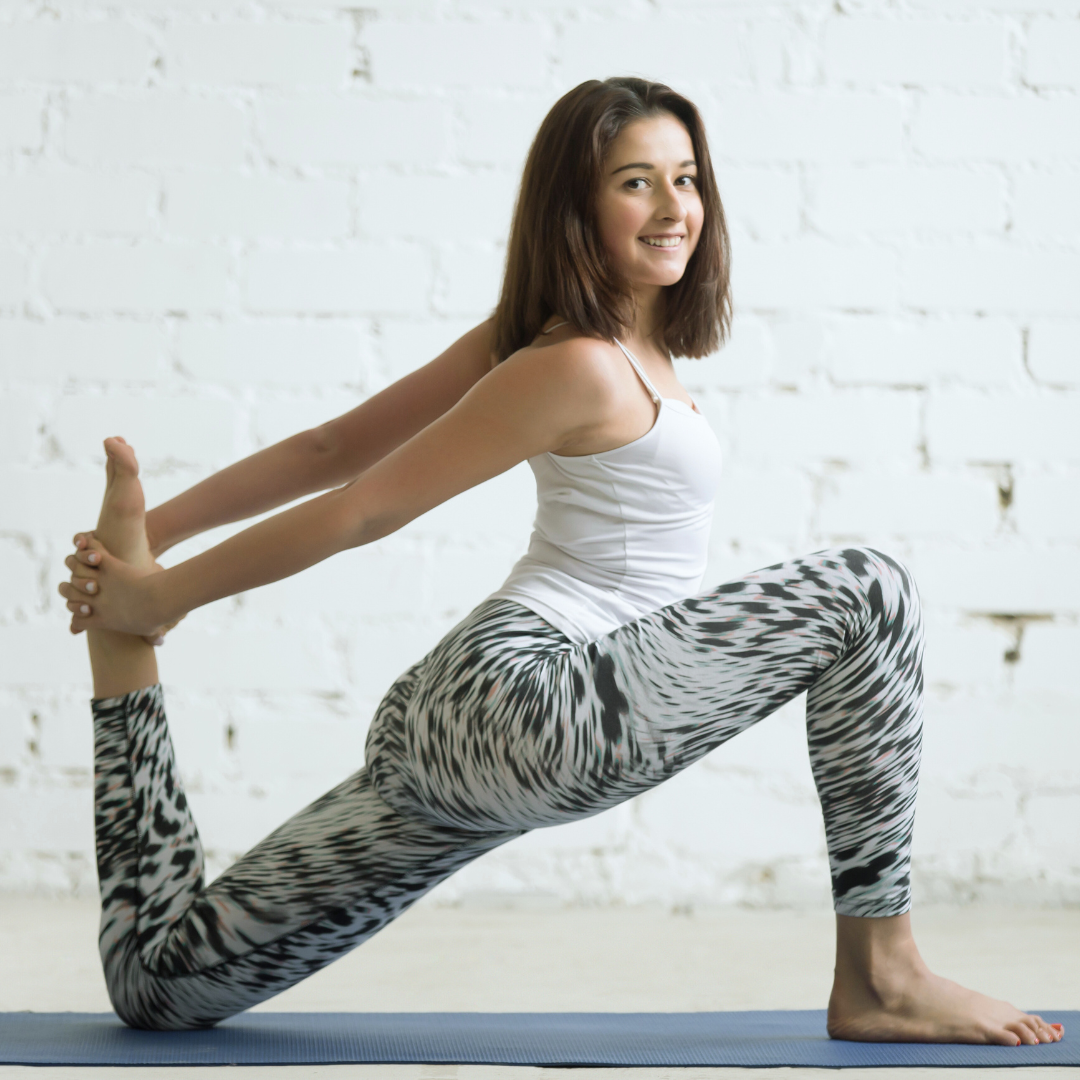
Back pain is a common issue that affects many people daily, often limiting movement and comfort. Stretching can play a key role in relieving tension and improving flexibility, which helps reduce discomfort.
The best stretches for reducing back pain target the lower back, hamstrings, and hip flexors to relieve tight muscles and improve posture. These stretches are simple to perform and can fit easily into a daily routine.
Incorporating these stretches regularly can help prevent stiffness and promote better spinal alignment. Understanding which stretches are most effective allows individuals to manage back pain with minimal equipment and effort.
Understanding Back Pain and Why Stretching Helps
Back pain often results from problems in muscles, ligaments, discs, or nerves in the lower back area. Stretching improves flexibility and blood flow, which can ease pain and support recovery by addressing some root causes.
Common Causes of Lower Back Pain
Lower back pain typically arises from muscle strain, herniated discs, or degenerative disc disease. Muscle strain often happens when muscles are overused or injured, leading to inflammation and discomfort. Herniated discs occur when the cushion between vertebrae slips out, pressing on nerves.
Other causes include ligament injuries and spinal stenosis. Activities like heavy lifting or sudden movements increase the risk of lower back strain. Recognizing these causes helps target effective stretches that reduce tension and improve mobility around the affected areas.
Effects of Poor Posture and Sedentary Lifestyle
Poor posture places uneven stress on the spine, causing misalignment and muscle imbalances. Sitting for long periods weakens core muscles, reducing support for the lower back. This increases pressure on spinal discs and ligaments, contributing to pain.
Chronic poor posture and prolonged sitting can lead to long-term spinal problems, such as herniated discs and nerve compression. However, for those dealing with persistent discomfort, minimally invasive options like Deuk Laser Disc Repair can be considered alongside other treatments. These procedures aim to relieve pressure on the spine while reducing recovery time and potential complications.
A sedentary lifestyle exacerbates stiffness and reduces circulation, delaying healing. Slouching, forward head posture, and rounded shoulders are common patterns that increase strain on the lower back. Stretching helps counteract these effects by promoting proper alignment and muscle balance.
The Science Behind Stretching for Back Pain Relief
Stretching lengthens tight muscles and increases joint range of motion, which helps reduce pressure on spinal structures like discs and nerves. It also improves blood circulation to tissues, accelerating nutrient delivery and waste removal, which supports healing.
Consistent stretching activates the nervous system to reduce muscle guarding and spasms around the lower back. This leads to decreased pain and greater functional movement. Targeted stretches for the lower back and surrounding muscles are proven to relieve discomfort caused by tightness and poor muscle function. In this regard, individuals seeking better posture can refer to reputable resources that address issues such as forward head posture (accessible through bestforwardheadposturefix.com), helping them to realign the neck and reduce associated muscle tension. This realignment not only improves neck posture but can also relieve strain on the upper and lower back, contributing to reduced pain and greater overall spinal comfort.
Essential Stretches for Reducing Back Pain
Reducing lower back pain often involves gentle stretches that improve flexibility and release tension in muscles supporting the spine. The following stretches target the lower back area to provide relief and promote mobility.
Child’s Pose
Child’s Pose is a foundational stretch used to gently elongate the spine and relieve tension in the lower back. It involves sitting back on the heels while reaching the arms forward on the floor, allowing the chest to lower toward the knees.
This position decompresses the lower spine and stretches the muscles around the lumbar region. Holding this pose for 30 seconds to a minute can help reduce stiffness and calm the nervous system.
The stretch is simple but effective, making it suitable for most people with varying degrees of lower back pain. It can be repeated multiple times as part of back stretches for daily relief.
Knee-to-Chest Stretch
The Knee-to-Chest Stretch targets the lower back muscles by gently pulling one or both knees towards the chest while lying on the back. This helps lengthen the lumbar spine and relieve pressure on spinal discs.
To perform, lie on your back with knees bent, then slowly draw one knee to the chest, holding for 20-30 seconds before switching legs. For deeper relief, both knees can be held simultaneously.
This stretch improves mobility in the lower back and hips, which can be tight or stiff with back pain. It is widely recommended as one of the effective stretches for lower back pain relief.
Cat-Cow Stretch
The Cat-Cow Stretch involves alternating between rounding and arching the back while on hands and knees. It encourages spinal flexibility and strengthens muscles around the spine that support posture.
In the “Cat” position, the back is rounded upward, the chin tucked toward the chest. In the “Cow” position, the back arches downward and the head lifts slightly. Moving slowly between these poses helps lubricate spinal joints.
This stretch is beneficial for those seeking dynamic movement to release tension. It complements static stretches and is part of many back stretches routines.
Pelvic Tilts
Pelvic tilts are gentle movements that engage the lower abdominal muscles to create small rocking motions of the pelvis while lying on the back. This stretch strengthens the core and can alleviate lower back pain by stabilizing the lumbar spine.
To do pelvic tilts, lie on your back with your knees bent and feet flat. Flatten the lower back against the floor by tilting the pelvis upward, hold for a few seconds, then release. Repeat 10-15 times.
Pelvic tilts help improve posture and reduce strain on the back muscles. This exercise often appears in physical therapy programs designed for lower back pain relief.
Additional Stretches to Enhance Spinal Mobility
These stretches target the spine to improve its range of motion and reduce stiffness in the back. By gently rotating and extending the spine, they help maintain flexibility and alleviate tension around the vertebrae and supporting muscles.
Seated Spinal Twist
The seated spinal twist improves mobility by rotating the spine while maintaining a stable base. To perform, sit upright with legs extended or crossed, then place one hand behind the back and the opposite elbow outside the knee.
This position encourages a controlled spinal rotation. The stretch should be held for 20-30 seconds, focusing on breathing deeply to relax the spine.
Avoid twisting beyond comfort to prevent strain. This stretch targets the thoracic and lumbar regions, increasing flexibility in those areas and easing stiffness that contributes to back pain.
Supine Spinal Twist
The supine spinal twist is done lying on the back, which reduces pressure on the lower back while allowing a gentle rotation. Bend one knee and cross it over the opposite leg, keeping the upper body relaxed on the floor.
Arms extend outward in a T-shape for stability. This position encourages rotation through the lower spine and sacrum.
Hold for 30 seconds and repeat on both sides. It helps lengthen the muscles along the spine, contributing to decreased tension and improved range of motion.
Bridge Exercise
The bridge exercise strengthens the lower back and gluteal muscles, supporting spinal stability. Lying on the back with bent knees and feet flat on the floor, raise the hips toward the ceiling as high as comfortable.
Maintain the position for 10-15 seconds before lowering. This movement helps improve lumbar spine extension and enhances core support.
Performing the bridge regularly can reduce the load on spinal discs, which may decrease back pain and increase overall spinal function.
Tips for a Safe and Effective Stretching Routine
A careful approach ensures the stretching routine reduces back pain without causing injury. Attention to body signals, strengthening the core, and regular practice form the foundation of an effective plan.
How to Listen to Your Body
Recognizing the body’s signals is critical during gentle stretches. Pain is a warning sign; if a stretch causes sharp or worsening pain, it should be stopped immediately. Mild discomfort is acceptable, but sharp or throbbing pain is not.
Breathing deeply and maintaining a relaxed posture helps avoid tension. Gradually increase stretch duration and intensity rather than forcing the body into uncomfortable positions. Monitoring how the back feels during and after each session guides safe progress.
A balanced approach prevents overstretching and aggravation of existing issues. While stretching can be a helpful component of a back care routine, some conditions, like severe spinal stenosis, can require more advanced care. For those dealing with persistent or chronic symptoms, it may be better to look for Back Pain Solutions other than stretching. If uncertain, consulting a healthcare professional before starting the routine can provide personalized advice and discuss necessary treatment plans.
For individuals whose persistent back pain doesn’t fully resolve with stretching or other conservative methods, exploring advanced, non-invasive treatments can be a crucial next step. Shockwave therapy, for example, offers a clinically supported approach to target chronic pain at its source by stimulating natural healing processes. This innovative modality delivers acoustic waves to affected tissues, promoting regeneration and reducing inflammation without surgery or heavy medication. Many find it to be an effective solution for long-standing musculoskeletal issues, providing significant relief and improving mobility. To understand more about these therapeutic devices and their application in both clinical and at-home settings, resources like oceanusamerica.com offer valuable insights into modern pain management solutions.
The Importance of Core Strengthening
The muscles around the abdomen and lower back support spinal alignment and reduce strain on the back. A stretching routine alone is less effective without incorporating core strengthening exercises.
Strong core muscles create stability, preventing excessive movement that may cause pain. Exercises like planks and bridges complement stretches by improving posture and endurance.
Integrating core work in the weekly routine, at least two to three times, helps maintain strength and reduces reliance on back muscles alone. This combined approach aids in both prevention and relief of back pain.
Maintaining Consistency for Lasting Relief
Consistency is key for stretching routines to reduce back pain effectively. Short daily sessions, ideally 10-15 minutes, maintain flexibility and prevent stiffness.
Skipping sessions can lead to a return of tightness and discomfort. Setting a regular schedule and tracking progress encourages adherence.
Patient, persistent practice over weeks or months produces the most noticeable results. Mixing different gentle stretches with rest days allows recovery without losing momentum.