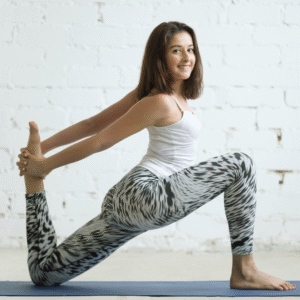
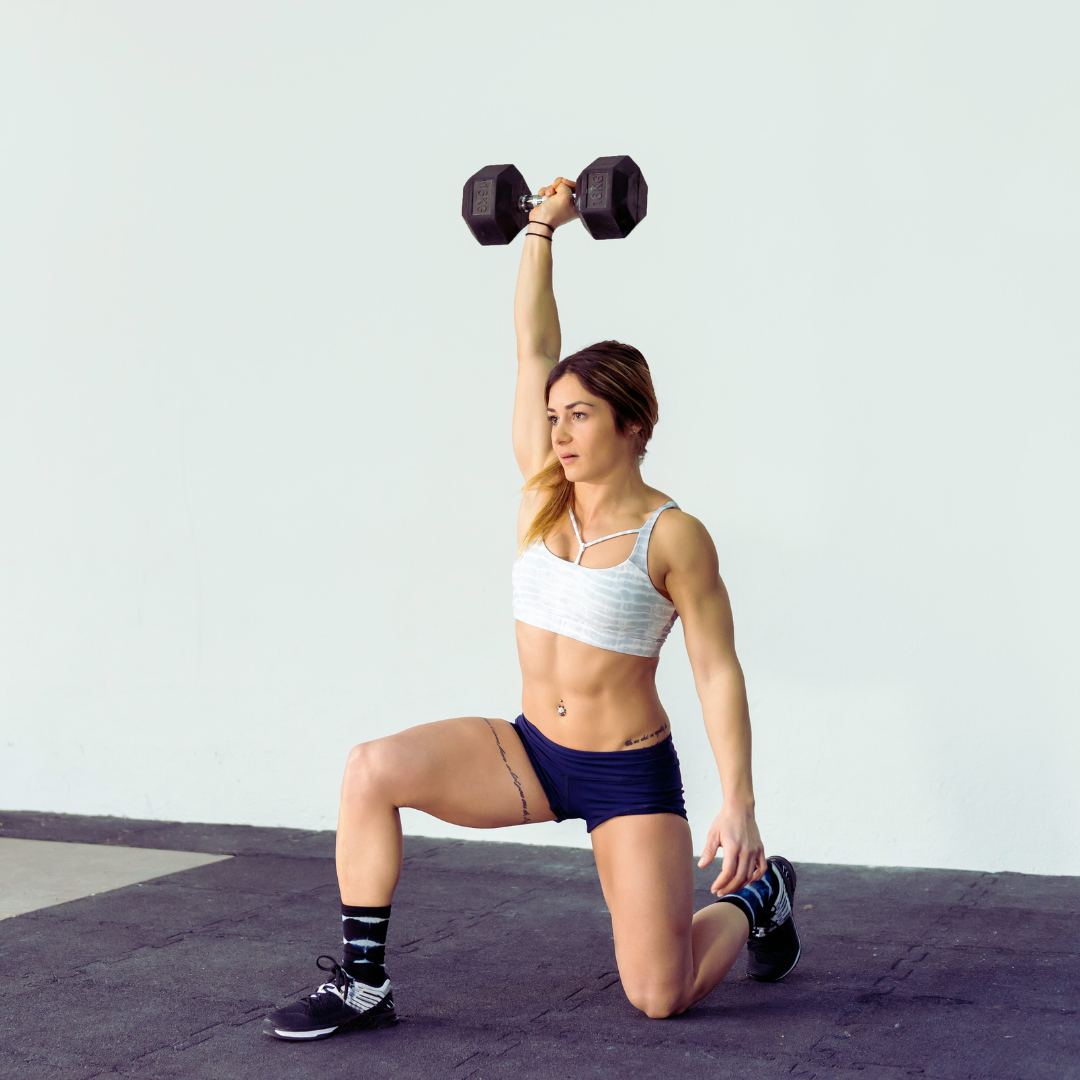
Strength training is essential for women because it improves muscle mass, bone density, and overall metabolic health. Building strength helps prevent injuries, supports daily activities, and enhances long-term physical function.
Many women avoid strength training due to misconceptions about gaining excessive muscle or injury risks, but the benefits far outweigh these concerns. Incorporating regular resistance exercises leads to better posture, increased calorie burn, and greater confidence.
Understanding why strength training matters can empower women to take control of their health and fitness in an effective, sustainable way. This article explores the key reasons strength training should be part of every woman’s routine.
Core Health Benefits of Strength Training for Women
Strength training offers measurable improvements in physical health, including enhanced muscle function, stronger bones, and better joint stability. It also plays a crucial role in managing weight and improving metabolism for long-term wellness.
Muscle Strength and Body Composition
Strength training increases muscle strength by stimulating muscle fibers to grow and adapt. This results in greater functional capacity for daily tasks and physical activity.
Improved muscle mass also shifts body composition by reducing fat percentage. Women who engage in regular strength training often experience a leaner physique, as muscle tissue burns more calories than fat at rest.
Consistent workouts help prevent muscle loss that naturally occurs with age, maintaining strength and mobility over time. This foundation supports overall physical independence and performance.
That being said, it is completely normal for some women not to achieve the exact results they hope for through strength training alone. Despite consistent effort, several factors can influence how the body responds, including genetics, hormonal variations, age, metabolism, and natural fat distribution.
Even with regular workouts, certain areas may remain resistant to change, or proportions may not align with personal aesthetic goals. For this reason, some women choose to consult with a top plastic surgeon in Chicago or other cities to explore additional options. These consultations allow individuals to understand which procedures — such as body contouring, breast augmentation, or fat transfer — could complement their fitness efforts.
The goal is not to replace exercise, but to enhance areas that are less responsive to training, helping women achieve a balanced, confident, and harmonious appearance.
Bone Density and Bone Health
Strength training generates mechanical stress on bones, encouraging bone remodeling and increased bone density. This process is vital for reducing the risk of osteoporosis.
Weight-bearing exercises like squats and deadlifts specifically target bone strength in critical areas such as the hips, spine, and wrists. Women benefit from stronger bones, especially post-menopause, when bone loss accelerates.
Regular strength training contributes to maintaining bone health by stimulating osteoblasts, the cells responsible for bone formation. This helps sustain skeletal integrity throughout life.
Joint Support and Flexibility
Strengthening muscles around joints improves joint stability and reduces the likelihood of injury. Strong muscles act as shock absorbers, protecting ligaments and cartilage during movement.
Targeted strength exercises help maintain or increase joint flexibility by reinforcing soft tissues and promoting proper alignment. This can alleviate joint pain related to arthritis or other degenerative conditions.
Women who practice strength training regularly often report a better range of motion and decreased stiffness, supporting comfortable movement and daily functionality. Furthermore, working with a professional Physio, can allow individuals to design a personalized recovery and strengthening plan to complement a regular fitness routine, especially while addressing underlying issues like chronic pain or old sports injuries.
Boosting Metabolic Rate and Fat Loss
Muscle tissue requires more energy to maintain than fat, so increased muscle mass raises resting metabolic rate. This means the body burns more calories even while at rest.
While a high metabolism helps with weight management, it does not always change the shape of the body in the way some women hope. For mothers, pregnancy can leave behind physical changes that even the most intense exercise routines cannot fix.
A Mommy Makeover in Denver is a way to address these specific concerns through a personalized surgical plan. This approach helps women regain their confidence and focuses on areas like the abdomen and breasts. It is a helpful addition for those who already prioritize their health but want to see further improvements.
Strength training also enhances insulin sensitivity, aiding blood sugar regulation and reducing the risk of metabolic disorders. This helps with sustainable fat loss and energy balance.
Additionally, the afterburn effect (excess post-exercise oxygen consumption) following strength sessions increases calorie expenditure post-workout. Women benefit from these factors as part of a holistic approach to weight management.
Mental and Long-Term Wellness Advantages
Strength training supports both mental well-being and physical health through measurable benefits related to stress, aging, cardiovascular performance, and metabolic function. These effects contribute significantly to lasting health improvements.
Mental Health and Stress Reduction
Strength training has been shown to reduce symptoms of anxiety and depression by promoting the release of endorphins and other mood-enhancing chemicals in the brain. Regular sessions improve focus and cognitive function, which helps combat stress.
Women who engage in strength training often report better sleep quality and increased self-esteem. This mental resilience can be critical for managing everyday challenges and emotional fluctuations.
Longevity and Healthy Aging
Muscle mass naturally declines with age, contributing to frailty and decreased mobility. Strength training slows this muscle loss, maintaining functional independence longer.
Increased muscle strength also supports bone density, reducing the risk of osteoporosis and fractures. These factors together improve the overall quality of life as women age.
Cardiovascular and Heart Health
While primarily associated with weightlifting, strength training also benefits cardiovascular health. It lowers blood pressure and improves blood vessel flexibility.
Strength training enhances heart efficiency by supporting lean muscle mass, which helps regulate blood sugar and cholesterol levels. This reduces the risk of heart disease and complements cardiovascular exercise routines.
Diabetes and Metabolic Wellness
Strength training improves insulin sensitivity, which helps regulate blood glucose levels. This is particularly important for women at risk of type 2 diabetes.
Enhanced muscle mass increases the body’s resting metabolic rate, supporting weight management goals and reducing metabolic syndrome risks. Integrating strength training can effectively aid in diabetes prevention and management.
Approaches to Strength Training for Women
Strength training can be tailored using different methods that suit various fitness levels, goals, and preferences. Effective programs often combine multiple approaches, emphasizing progression and consistency to build muscle, improve endurance, and enhance overall health.
Bodyweight Exercises
Bodyweight exercises form a fundamental part of strength training routines, especially for beginners or those without access to equipment. Movements like squats, push-ups, and planks engage multiple muscle groups and build functional strength.
They require no equipment and can be modified for difficulty by adjusting repetitions, tempo, or form. For example, wall push-ups can help beginners build strength before progressing to standard push-ups. Consistently performing bodyweight exercises supports muscle tone and endurance while improving balance and coordination.
Training with Free Weights and Equipment
Free weights such as dumbbells and kettlebells allow for targeted resistance training and increased muscle activation compared to machines. Using free weights supports progressive resistance training, an essential principle where load or repetitions increase over time to continually challenge muscles.
Dumbbell exercises like bicep curls, kettlebell swings, and goblet squats engage specific muscles while improving joint stability. Equipment use also allows variation and customization within strength training programs. Proper form during free weight exercises reduces injury risk and ensures maximum effectiveness.
Resistance Bands and Functional Tools
Resistance bands offer a low-impact, versatile way to add resistance training to any routine. They can replicate movements typically done with free weights or machines, targeting smaller stabilizing muscles that aid joint support.
These bands come in varying tension levels, allowing gradual progression. Functional tools like medicine balls and stability balls also contribute by enhancing core strength and balance while integrating dynamic movement patterns. Resistance bands are portable and affordable, making them accessible for home workouts and travel.
Incorporating Strength Training into Your Routine
To achieve consistent progress, women should integrate strength training 2-4 times per week into their fitness routines. This frequency allows muscle recovery while supporting hypertrophy and strength gains. Combining different approaches—such as bodyweight exercises with free weights or bands—varies stimuli and prevents plateaus.
A structured strength training program should include warm-up, main resistance exercises, and cool-down stretches. Prioritizing compound movements—such as squats combined with presses or rows—maximizes efficiency by working multiple muscle groups simultaneously. Tracking progress, increasing resistance, and maintaining proper form are essential for safe, effective strength training routines.
Best Practices, Precautions, and Lifelong Empowerment
Strength training requires attentiveness to form, awareness of misconceptions, and thoughtful adjustments across different life stages. Combining it with practices like yoga and Pilates can enhance overall performance and support.
Proper Technique and Safety
Using proper technique is essential to prevent injuries and maximize muscle development. Women should focus on controlled movements and proper alignment during exercises like squats, deadlifts, and presses.
Warming up before lifting and cooling down afterward helps protect joints and muscles. Starting with lighter weights to master form before increasing load supports long-term progress and joint health.
For women with prior injuries, joint concerns, or chronic pain, consulting an orthopedic specialist can provide personalized guidance to ensure strength training remains safe, effective, and supportive of long-term musculoskeletal health.
Addressing Common Myths
Many women believe strength training will make them bulky, but this ignores differences in hormone levels compared to men. In reality, strength training promotes lean muscle development and improves metabolism.
Another myth is that cardio alone is sufficient for fitness. Strength training complements cardiovascular activities by enhancing muscle tone, bone density, and joint support.
Debunking the fear of heavy weights encourages women to lift more effectively. Resistance training boosts overall strength and athletic performance without excessive bulk, supporting everyday activities and longevity.
Adapting Strength Training Across Life Stages
Strength training needs to be tailored at different ages to address changing physiology. Young women should prioritize building a solid foundation of technique and muscular strength.
During pregnancy, modifications focus on safety, avoiding heavy lifts that strain the abdomen while maintaining core and joint support. After menopause, increased emphasis on resistance training reduces muscle loss and improves bone density.
Adjusting frequency, intensity, and exercise selection helps maintain strength gains and prevents injury throughout life, promoting independence and quality of life.
Synergy with Yoga and Pilates
Incorporating yoga and Pilates complements strength training by enhancing flexibility, balance, and core strength. Both practices improve posture and joint stability, which reduces injury risk during weighted exercises.
Yoga encourages mindful breathing and body awareness, helping women maintain proper technique in strength training. Pilates focuses on controlled, precise movements that build muscular endurance and support athletic performance.
Together, these disciplines create a balanced fitness routine, improving mobility and overall function beyond muscle development alone.