
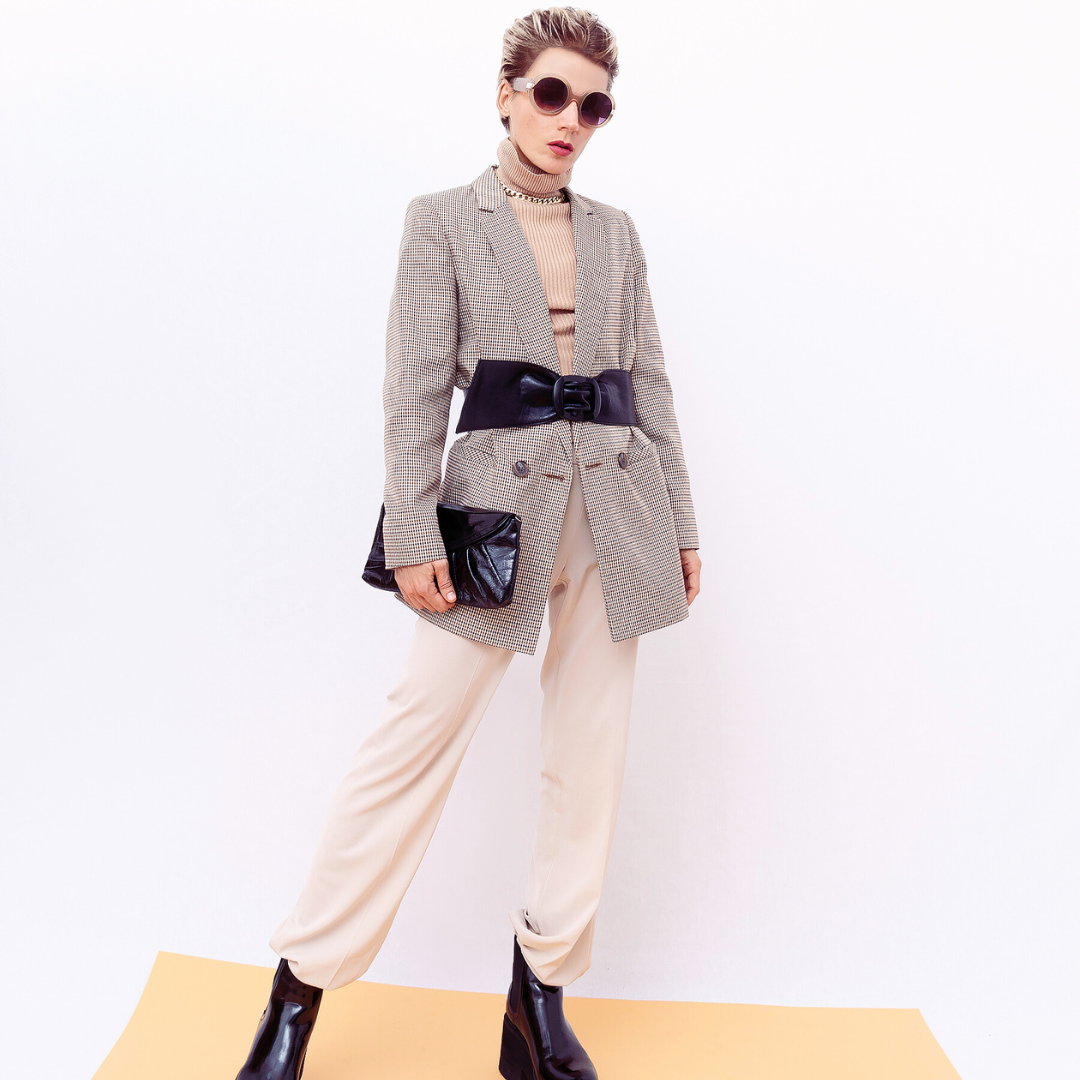
Finding a signature style means identifying what feels authentic and comfortable while reflecting personal taste. It involves understanding preferences, experimenting with different looks, and choosing pieces that consistently resonate.
Many people overlook the importance of consistency and confidence in creating a style that sets them apart. By focusing on what suits their lifestyle and personality, they can build a wardrobe that feels uniquely theirs.
This process takes time and observation, but it becomes easier when someone pays attention to what naturally draws them and what makes them feel their best. Recognizing these patterns is key to developing a clear, individual style identity.
Understanding Signature Style
A signature style reflects consistent choices that define how a person presents themselves visually and creatively. It influences confidence, aids recognition, and is distinct from general personal style. Key factors include defining elements, the benefits it brings, and how it differs from broader style concepts.
What Defines a Signature Style
A signature style consists of specific, repeated elements in clothing, accessories, colors, or grooming. It often includes particular cuts, patterns, or a consistent color palette that someone regularly chooses. This style expresses identity without trying to follow every trend.
It is recognizable and unique, emphasizing consistency over variety. For example, someone may always wear tailored blazers or favor minimalist jewelry. Signature style is about deliberate, authentic choices based on preference and comfort.
Benefits of Having a Signature Style
Having a signature style simplifies daily decisions by reducing wardrobe options to familiar, trusted pieces. It builds confidence by reinforcing a consistent and authentic self-image. People with a clear signature style tend to feel more comfortable and assured.
This clarity aids in professional and social settings, making first impressions more impactful. It also helps create a memorable brand or identity, which can be useful in careers that require visibility. Overall, it saves time and mental energy in style decisions.
Signature Style vs. Personal Style
Signature style is a focused subset of personal style, highlighting the most defining and repeated elements of one’s overall aesthetic. Personal style is broader and more flexible, including occasional variations depending on mood or occasion.
While personal style can evolve frequently, a signature style remains stable and recognizable. Signature style expresses consistency, whereas personal style allows for experimentation. Both contribute to confidence, but signature style anchors it in familiarity.
Steps to Discovering Your Signature Style
Discovering a signature style involves detailed attention to tastes, influences, and consistent fashion choices. It requires understanding what visually and emotionally resonates and translating that into a reliable wardrobe that boosts confidence.
Identifying Personal Preferences
The first step is analyzing what types of clothing and colors naturally attract attention and comfort. He or she should consider which fabrics feel best against the skin and which silhouettes best flatter body shape. This process can include reviewing past outfits to highlight favorites.
Making a list of likes and dislikes helps clarify preferences. Specific questions such as “Do they prefer structured or flowy pieces?” or “Are bold patterns or neutrals more appealing?” guide the selection process. The goal is to gather tangible details that reflect authentic tastes.
Finding Style Inspiration
Exploring sources of inspiration can provide direction without copying. They might collect images from magazines, social media, or fashion blogs that consistently catch their eye. Paying attention to recurring themes, such as minimalist or vintage styles, helps filter influences.
They should focus on individuals whose style exudes confidence and aligns with their personal identity. Inspiration can be practical and varied, from professional attire icons to casual streetwear influences. The key is to distill these into adaptable elements that suit their lifestyle.
Recognizing Patterns in Your Choices
By reviewing favorite outfits and inspirations, patterns will emerge in color schemes, garment types, and combinations. Identifying these repeated choices helps reveal what feels most natural and confident to wear regularly.
They should track wardrobe usage and note which pieces are most frequently worn or complemented. Recognizing patterns aids in avoiding impulse buys that do not align with the developing signature style. These patterns form the backbone of a consistent look.
Defining Key Fashion Elements
With preferences and patterns clear, defining key style elements is next. This includes signature colors, preferred fabric types, go-to accessories, and essential clothing items. Clearly, selecting these elements ensures ease in assembling outfits daily.
He or she might choose a color palette of three to five hues that match skin tone and personality, combined with one or two consistent accessory styles. This focused framework helps maintain a cohesive style that naturally builds confidence.
Building and Expressing Your Signature Look
Crafting a signature look requires intentional choices that reflect personal preferences and lifestyle needs. It evolves through a balance of practicality, experimentation, and a commitment to authenticity. Each element, from wardrobe basics to statement accessories, plays a role in solidifying confidence and a unique personal style.
Curating a Functional Wardrobe
A functional wardrobe serves as the foundation for a signature look. It consists of versatile pieces that can be mixed and matched easily. Prioritizing quality over quantity ensures longevity and consistent wear.
Key items include well-fitting basics like neutral tops, tailored pants, and classic outerwear. These create a flexible base that adapts to different occasions. The individual should focus on fabrics that complement their daily activities while maintaining comfort.
Additionally, the wardrobe should reflect personal preferences in color and texture. Avoiding unnecessary trends helps maintain cohesion and reduces decision fatigue. A functional wardrobe supports confident dressing and expresses a clear style identity.
Experimenting and Evolving Your Style
Experimentation allows for discovering new facets of personal style. It involves trying different cuts, colors, and patterns to identify what resonates most. This process builds confidence through gradual refinement.
One effective method is to incorporate statement pieces gradually. For example, testing bold jackets or unique prints alongside staples reveals which elements suit their personality. Keeping a style journal or mood board can help track evolving preferences objectively.
It’s essential to remain open but selective. Not every experiment fits, and dismissing unsuccessful attempts is part of growth. Evolving style reflects changes in confidence and lifestyle without losing consistency.
Using Accessories to Personalize
Accessories amplify a signature look by adding distinctiveness and detail. They provide a low-commitment opportunity to express personality and enhance outfits. Selecting pieces that feel authentic bolsters confidence in overall appearance.
Important accessory categories include watches, scarves, hats, and jewelry. Each should complement the core wardrobe without overwhelming it. For example, a classic watch paired with subtle rings can suggest sophistication while maintaining simplicity.
Bags and shoes also serve as key accessories, balancing form and function. Opting for statement shoes or unique bag designs creates focal points that reinforce style identity. Thoughtful accessorizing expresses attention to detail and individuality.
Ensuring Authenticity and Consistency
Authenticity in style means aligning choices with true personal tastes rather than external pressures. Consistency involves repeating certain elements that create visual coherence. Both are crucial for a recognizable signature look.
Individuals should regularly assess whether their wardrobe and styling truly reflect their preferences. Confidence grows from dressing in ways that feel natural and intentional. Sticking to a consistent palette or style theme supports recognition and ease.
Avoiding forced trends or copying others fosters genuine expression. Consistency does not mean rigidity, but rather a clear thread of identity in one’s fashion choices. This approach strengthens personal style’s integrity and public perception.
Maintaining Confidence and Authenticity
Maintaining confidence and authenticity requires intentional adjustments and awareness. It involves recognizing changes in lifestyle and body, evolving taste without losing core identity, and nurturing self-assurance through style choices.
Adapting to Lifestyle and Body Changes
As life shifts, style must adapt. Changes in work environment, social activities, or daily routine often call for different clothing choices. For example, someone moving from a corporate office to remote work may prioritize comfort without sacrificing polish.
Body changes—whether from age, fitness, or health—also influence fit and fabric preferences. It’s important to select clothes that flatter current proportions while aligning with personal style. Tailoring key pieces can maintain a signature style even as the body evolves.
Regularly reassessing wardrobes for practicality and self-expression helps sustain both comfort and confidence. It avoids frustration caused by ill-fitting garments or outdated styling.
Embracing Evolution Without Losing Identity
Signature style is not static; it grows. Evolving style involves integrating new trends or inspirations without abandoning core aesthetic values. This balance prevents fashion from feeling either forced or irrelevant.
To maintain identity, individuals can update classic pieces or experiment with accessories. For example, adding subtle pops of color or changing shoe styles refreshes outfits while honoring original style principles.
Reflection is crucial. Revisiting why certain items or looks resonate keeps decisions authentic. Maintaining a consistent mood board or style journal can assist in tracking evolution.
Sustaining Confidence Through Style
Confidence stems from knowing what fits both physically and emotionally. Wearing clothes that reflect true preferences rather than fleeting trends enhances self-esteem. Confidence also grows from preparation—organizing outfits to minimize daily decision fatigue.
Practical tips include investing in versatile basics paired with unique statement items. This approach reinforces a recognizable style that feels secure yet flexible.
Feedback from trusted friends or stylists can provide external validation. Still, the ultimate measure of confidence is comfort and alignment with personal taste. When someone feels good in their clothes, their signature style naturally exudes assurance.